SC Notice to Centre on Privacy Law as News Publishers Warn It Could Shut Newsrooms
The Supreme Court has asked the Centre to respond to a challenge by digital news publishers who say India’s data protection law could make investigative journalism harder and threaten press freedom.

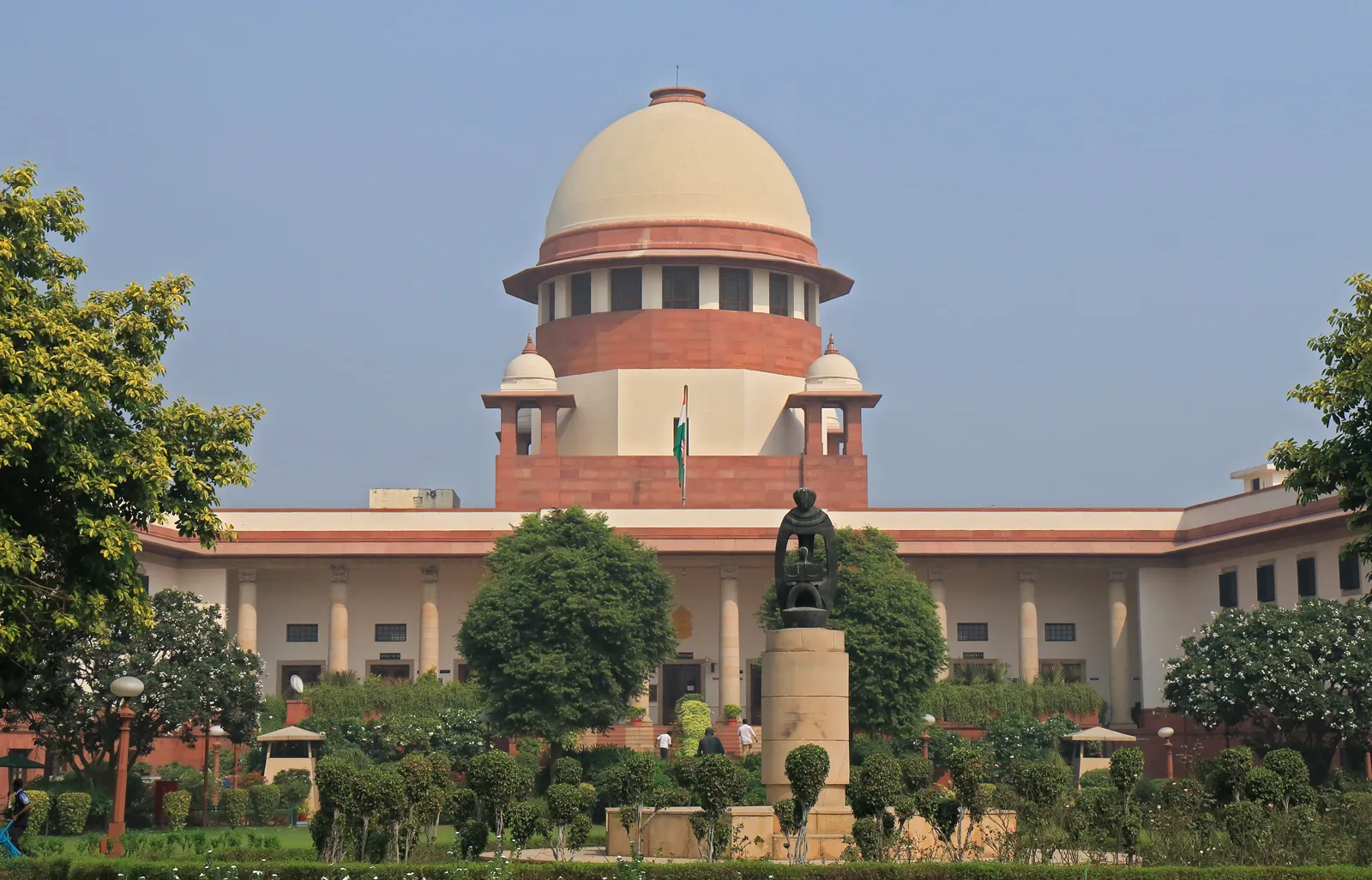
Can a journalist investigate a public official, report on alleged wrongdoing or protect a confidential source without first seeking permission from the person being investigated?
This question is now before the Supreme Court of India, after the Digital News Publishers Association (DNPA) challenged provisions of the Digital Personal Data Protection (DPDP) Act, 2023, and its accompanying Rules, 2025.
On October 27, a three-judge bench led by Chief Justice of India Surya Kant issued notice to the Centre, asking the government to respond to the petition. The court also issued notice on the association’s request for an interim stay on the challenged provisions. The matter is scheduled for further hearing on November 17.
The case has brought two important rights into focus: a citizen’s right to privacy and the media’s freedom to report news in the public interest.
The publishers argue that the law does not provide a specific exemption for journalistic activities. They fear this could make routine reporting, investigative journalism and the protection of confidential sources more difficult.
But the court has also made it clear that privacy cannot simply be ignored in the name of journalism. The challenge is to find a way to protect both rights.
What is the Digital Personal Data Protection Act?
The Digital Personal Data Protection Act, 2023, is India’s law for regulating how digital personal data is collected, used, stored and processed.
In simple terms, personal data is information that can identify a person. It may include details such as a person’s name, phone number, address, financial information or other identifying details held in digital form.
The law aims to give people greater control over how their personal information is used. It also places responsibilities on organisations that collect and process such data.
For example, if a company collects customers’ phone numbers, it cannot treat that information as something it can use without following the applicable legal requirements.
The government says the framework is intended to protect citizens’ privacy and encourage responsible use of personal data. The law and its rules are being brought into force in stages.
The dispute arises because news organisations say journalism sometimes requires the collection and publication of personal information without obtaining permission from the person concerned.
Why are news publishers challenging the law?
The DNPA represents digital news publishers and has approached the Supreme Court seeking changes to, or the striking down of, several provisions of the law and its rules.
The association argues that the framework does not adequately distinguish journalism from other activities involving personal data.
Consider a simple example. A reporter is investigating alleged corruption involving a public official. The investigation may require the journalist to examine documents, contact sources and publish information about the official’s actions.
If the journalist must seek the official’s permission before collecting or publishing relevant personal information, the investigation could become difficult. The person being investigated might refuse consent, destroy evidence or put pressure on people providing information.
This is the concern raised by the publishers. They argue that applying the law without a suitable journalistic exemption could interfere with investigations into corruption, wrongdoing and other matters of public interest.
The association has also raised concerns about requirements involving notice, consent and deletion of personal data. It fears that these could affect the ability of news organisations to publish and retain accurate reports.
Why did the lawyer say the law could shut newsrooms?
Senior advocate Madhavi Divan, appearing for the DNPA, told the Supreme Court that the challenged provisions could seriously affect the everyday functioning of news organisations.
She argued that news publishers cannot be expected to seek permission from every person before reporting on matters involving them.
Divan also warned that requiring prior consent could amount to a form of “pre-censorship”. Her argument was that news could be stopped before publication if the person being reported on refused permission.
She told the bench that journalists should be held accountable if their reporting is incorrect or inaccurate, but the law should not prevent them from publishing legitimate news before it reaches the public.
The association has asked the court to examine several sections of the Act and Rules and declare them invalid to the extent that they violate fundamental rights.
These are the petitioners’ arguments. The Supreme Court has not yet ruled that the law is unconstitutional or accepted the claim that it will shut newsrooms.
What did the Supreme Court say?
The bench, which also included Justices Joymalya Bagchi and V. Mohana, stressed that a balance must be maintained between the rights of citizens and those of the media.
Chief Justice Surya Kant told the publishers that they were well placed to suggest practical safeguards because they understood how journalism works. He also asked how the media would ensure that personal data was not misused.
The court’s concern is important. Journalism serves the public, but that does not mean every use of someone’s private information is automatically justified.
For example, publishing information that exposes public corruption may serve a clear public interest. Publishing someone’s private details without a reasonable connection to a news story may raise a different set of concerns.
The court is therefore dealing with a difficult question: how can journalists investigate and publish matters of public importance while ensuring that personal information is not misused?
The court has sought the Centre’s response before considering the case further. It has not granted the requested interim stay at this stage.
How does this connect to the right to privacy?
In 2017, the Supreme Court recognised privacy as a fundamental right in the landmark case of K.S. Puttaswamy v. Union of India.
That judgment established that privacy is protected under the Constitution. It also made clear that questions involving privacy must be assessed within the constitutional framework.
The DNPA relies on this judgment while arguing that the data protection law must also respect freedom of speech and expression under Article 19(1)(a) of the Constitution.
The association says that without a clear exemption for journalistic work, the law could interfere with the media’s ability to investigate and publish information in the public interest.
The broader issue is not whether privacy matters or whether journalism matters. Both are important. The question is how the law should deal with situations where the two rights appear to come into conflict.
Could the law affect ordinary reporting?
The DNPA says the possible impact extends beyond large news organisations and investigative reporters.
Its petition refers to journalists, ground reporters, whistleblowers, citizens and Right to Information (RTI) activists who gather and share information about public affairs.
Imagine a reporter receiving documents from a source about possible wrongdoing in a government department. The reporter may need to verify the information, speak to people involved and decide what should be published.
The association fears that data-related obligations could make such work harder, particularly if a person whose information appears in the report can demand action that affects publication or the retention of the material.
However, the actual impact will depend on how the relevant provisions are interpreted and applied. The legal requirements, the facts of a particular case and the public interest involved will all matter.
The petition also challenges Section 44(3) of the Act, which amended the Right to Information Act’s provisions concerning the disclosure of personal information. This raises a related question: how should public access to information be balanced against an individual’s privacy?
What happens next?
The Supreme Court has listed the matter for November 17, when it will consider the challenge further along with related proceedings.
The Centre will have an opportunity to respond to the arguments raised by the news publishers. The court will then have to examine the legal provisions, the constitutional issues and the competing interests involved.
The outcome could be significant for how news organisations handle personal information while reporting on public affairs. It may also clarify how privacy protections should work alongside the media’s constitutional freedoms.
For now, the law has not been struck down, and the court has not granted the requested interim stay.
Report a mistake
Related stories
Delhi Police Register Case Over Threat to Magistrate During CJP Leaders’ Bail Hearing
Supreme Court Panel Launches Portal for Complaints Over July Violence at Jantar Mantar
Supreme Court Says Internet Access Is a Fundamental Right for Children: What the Ruling Means
Reader comments (0)
No comments yet. Be the first.