Iran Warns US Over Hormuz as Saudi Arabia Faces Houthi Attacks
Iran has renewed its call for diplomacy while a tanker fire in the Strait of Hormuz, attacks on Saudi Arabia and Egypt’s offer of support raise fears that the regional war could spread further.

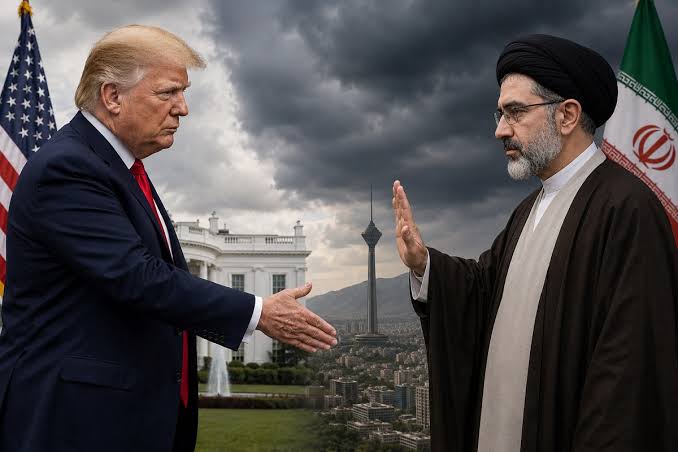
The conflict in the Middle East is becoming more complicated, with several countries now facing security threats at the same time. Iran is calling for diplomacy, Saudi Arabia is dealing with attacks from Yemen, and Egypt has offered to support Riyadh if needed. Meanwhile, another incident involving an oil tanker in the Strait of Hormuz has raised concerns about the safety of one of the world’s most important shipping routes.
Here is what is happening and why it matters.
Iran blames the US for tensions in the Strait of Hormuz
Iran’s Foreign Minister Abbas Araghchi has blamed the United States for increasing insecurity in the Strait of Hormuz. Speaking at a joint news conference with Russian Foreign Minister Sergei Lavrov on Monday, Araghchi said regional problems should be resolved through diplomacy rather than further military confrontation.
He also called on countries in the region to work together to create a shared security arrangement. Iran, he said, supports an approach in which regional countries maintain security themselves, without foreign military forces being present.
In simple terms, Tehran wants neighbouring countries to take greater responsibility for security in the region, rather than relying on outside powers. However, Iran’s position is part of a wider dispute with Washington, and there is no guarantee that the countries involved will agree on how such an arrangement should work.
Oil tanker catches fire in the Strait of Hormuz
The Strait of Hormuz is once again at the centre of the crisis after Iran’s Islamic Revolutionary Guard Corps (IRGC) said an oil tanker caught fire on October 18 after hitting a sea mine.
The IRGC described the vessel as violating regulations and released video footage that Iranian state television said showed the explosion. The claim about the cause of the incident comes from Iranian authorities and should be understood in that context.
The strait is a narrow waterway connecting the Persian Gulf with the Gulf of Oman and the wider Arabian Sea. It is vital to global energy supplies because large quantities of oil and liquefied natural gas pass through it.
When ships face attacks or cannot travel safely through the strait, oil shipments can be delayed or disrupted. That can push up transport costs and put pressure on fuel prices in countries that depend on imported energy, including India.
Iran says its offer to reopen Hormuz is still available
Despite the continuing tensions, Araghchi has said Iran’s proposal to reopen the Strait of Hormuz within seven days remains on the table.
The proposal is conditional. Iran wants the United States to accept its terms, which include steps related to sanctions, the naval blockade and an end to hostilities across the region. Washington, meanwhile, has pushed for discussions on Iran’s nuclear programme.
This is the key issue: both sides have indicated that a diplomatic route is possible, but they disagree on what must happen first.
So, the offer does not mean that the strait is about to reopen. It means Iran says it is prepared to move towards reopening it if the conditions it has set are accepted.
Iran appoints a new defence minister
Iran’s parliament has approved Mehrdad Akhlaghi Ketabchi as the country’s new defence minister.
He replaces Aziz Nasirzadeh, who was killed in US-Israeli strikes at the beginning of the war in February. Ketabchi is a veteran of Iran’s defence sector and has worked in aerospace and missile-related industries.
His appointment comes at a time when Iran is trying to strengthen its defence capabilities and prepare for the possibility of further attacks. In remarks to lawmakers, the new minister warned that Iran would respond forcefully if the United States and Israel launched another attack.
The appointment is therefore more than a routine change in government. It places a defence industry veteran in charge of Iran’s military production and procurement at a time of serious regional instability.
Saudi Arabia faces fresh attacks from Yemen
Saudi Arabia is also dealing with growing security threats from Yemen’s Houthi movement. The Saudi-led coalition has reported intercepting drones and missiles launched towards parts of the kingdom.
The Houthis are an armed group that controls large parts of Yemen and has close ties with Iran. Their renewed attacks have raised concerns about Saudi airports, energy infrastructure and other important facilities.
In another incident, two Saudi troops died when a military helicopter crashed in the Najran region. A Houthi projectile also reportedly struck a residential area there, injuring six people and damaging homes and vehicles.
These developments show how the conflict is affecting countries beyond the immediate confrontation between Iran, Israel and the United States. Saudi Arabia’s involvement in Yemen means that attacks there can quickly become part of the wider regional crisis.
Egypt offers support to Saudi Arabia
Egypt has said it is ready to provide Saudi Arabia with the support needed to protect its security and stability.
The announcement came as Houthi attacks continued and Saudi Arabia sought support from regional partners. Egypt’s National Defence Council, chaired by President Abdel Fattah el-Sisi, expressed support for the kingdom and said Cairo would also pursue diplomatic efforts to reduce tensions.
However, an offer of support should not automatically be taken as confirmation that Egyptian troops have been deployed. Any specific military action would depend on further decisions and arrangements.
Egypt’s position matters because it signals that the crisis could draw more regional powers into a coordinated response. At the same time, Cairo has said it wants diplomatic efforts to continue, showing that military preparedness and attempts to prevent further escalation are happening side by side.
Netanyahu signals continued cooperation with Trump against Iran
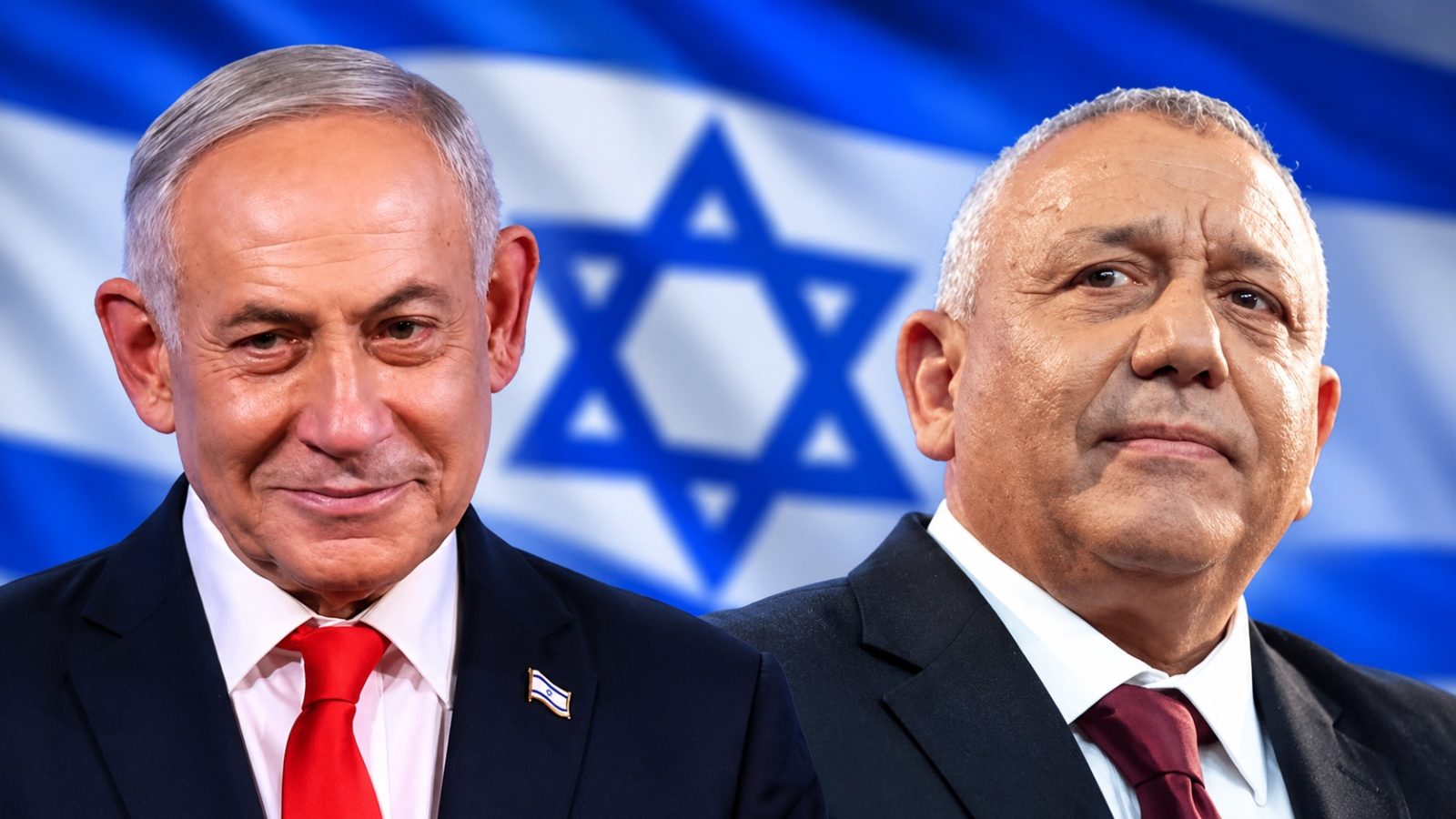
In Israel, Prime Minister Benjamin Netanyahu has continued to present Iran as a major security threat. On October 18, he referred to US President Donald Trump’s support for him and said the two leaders would continue working together against what they describe as the Iranian threat.
Netanyahu’s comments come ahead of Israel’s October 27 election, making the issue of national security especially important in his political campaign.
His remarks also underline the close alignment between the Israeli government and the Trump administration over Iran. Tehran, meanwhile, has warned that any new US or Israeli attack would trigger a strong response.
This exchange of warnings matters because it leaves little room for error. Even while diplomatic proposals are being discussed, both sides continue to signal that they are prepared for further confrontation.
What does this mean for the rest of the world?
The biggest concern is that separate conflicts are increasingly connected. Tensions around Iran and the Strait of Hormuz are affecting shipping and energy markets, while attacks from Yemen are putting Saudi Arabia under pressure and prompting Egypt to offer support.
For ordinary people, the impact could be felt through higher fuel and transport costs if oil supplies are disrupted for a prolonged period. For governments, the challenge is to protect shipping and national security without turning the crisis into a wider regional war.
Iran says diplomacy remains possible, and its proposal to reopen Hormuz is still available. But the offer depends on conditions that Washington has not accepted. Until the two sides find common ground, the risk of further attacks and disruption remains.
The situation is therefore not just about one tanker or one country’s security. It is about whether regional governments can prevent a wider conflict while keeping vital trade routes open.
Report a mistake
Related stories
20-Year-Old Co-Pilot’s Mayday Calls Before Fatal Florida Plane Crash Revealed
Oil Prices Rise After Reported US Strike on Iran’s Qeshm Island
Arab Citizens of Israel: From Political Marginalisation to a Potential Kingmaker in Government Formation
Reader comments (0)
No comments yet. Be the first.