Kyiv Hit by Russian Missile Attack as US Pushes for Ukraine Peace Deal
A fresh missile attack on Kyiv has injured civilians as US envoys hold talks with Vladimir Putin and Volodymyr Zelenskyy. Despite renewed diplomatic efforts, major disagreements remain over security guarantees and ending the war.

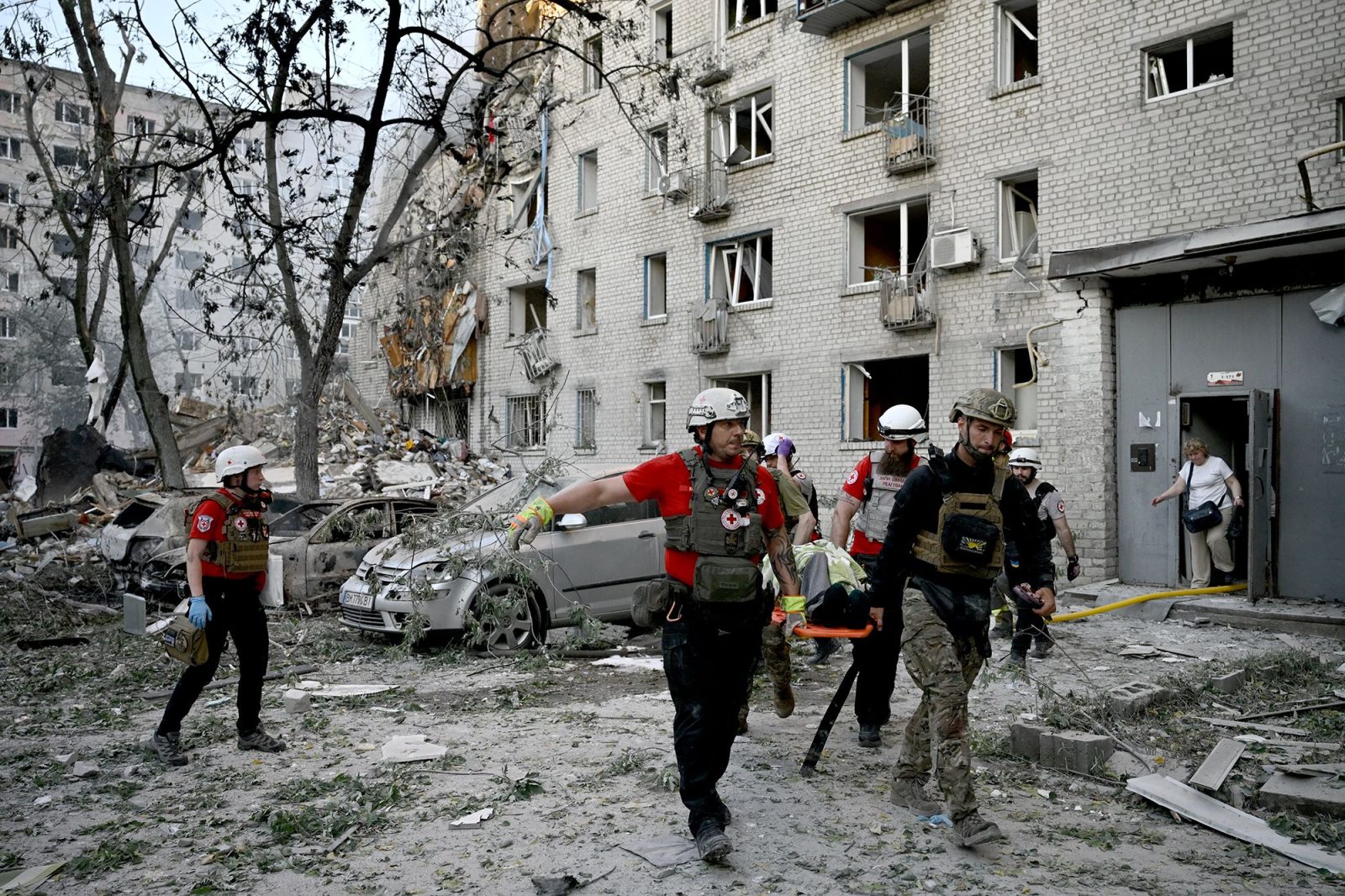
Just as hopes of a possible peace deal between Russia and Ukraine appeared to be growing, Russia launched another missile attack on Ukraine’s capital, Kyiv.
Several houses were hit on Wednesday night, leaving six people injured, according to Kyiv Mayor Vitaliy Klitschko. The attack came only hours after Russia said it was ready in principle to resume peace talks and US President Donald Trump said the world was closer than ever to ending the war.
The timing raises an important question: If both sides are talking about peace, why are the attacks continuing?
The answer lies in the gap between diplomatic statements and the difficult decisions needed to end the conflict. The US is trying to bring Russia and Ukraine closer to an agreement, but the two countries still disagree over security, territory and the conditions for a ceasefire.
1. What is behind the latest peace effort?
The latest diplomatic push is being led by US President Donald Trump’s envoys, Steve Witkoff and Jared Kushner.
On Wednesday, Witkoff met Russian President Vladimir Putin in St Petersburg. This meeting followed his earlier talks with Ukrainian President Volodymyr Zelenskyy.
Trump has repeatedly promised to bring the war to an end. Speaking on Wednesday, he said he believed the two sides were getting closer to a settlement.
However, no final agreement has been announced. It is also unclear what specific proposals Witkoff presented to Putin.
After the meeting, Zelenskyy said discussions had included strong security guarantees for Ukraine and proposals for an energy ceasefire. Such a ceasefire could involve limiting attacks on energy infrastructure, although the precise terms would need to be agreed.
Putin’s aide, Yuri Ushakov, described the ideas discussed as not particularly useful. His remarks suggest that major differences remain.
2. Why are the peace talks so difficult?
Russia launched its full-scale invasion of Ukraine in February 2022. Since then, the war has caused widespread destruction, civilian deaths and the displacement of millions of people.
Russia currently controls about one-fifth of Ukrainian territory. The future of occupied land, Ukraine’s security and the question of how to prevent another invasion remain among the biggest challenges to a settlement.
Russia says its forces have the strategic initiative and are advancing along the front line. Ukraine and its European allies dispute that assessment, describing the battlefield situation as largely stalled.
Earlier rounds of three-way talks involving Russia, Ukraine and the US were paused in February. Russia blamed major Ukrainian strikes during its elections the previous month for disrupting the process.
A new round of talks could take place around 10 November in Abu Dhabi, according to Ushakov. That date has been suggested, but it should not be treated as a confirmed meeting until the participants announce it.
Russia has also said future discussions should address a security system for both countries after the conflict ends. The challenge is that Moscow and Kyiv have very different ideas about what that security should look like.
3. Ukraine says it is ready to freeze the fighting
One of the most important developments is Zelenskyy’s statement that Ukraine would accept a deal freezing the war along the current front line.
In an interview with Fox News, he described a ceasefire as a way to stop the killing. He also said security guarantees for Ukraine could be discussed after the fighting was frozen.
In simple terms, freezing the front line would mean stopping the fighting where the forces currently stand, rather than first resolving every territorial dispute.
But a ceasefire and a lasting peace agreement are not the same thing. A ceasefire could stop attacks without settling who controls disputed territory or what happens to it in the future.
Ukraine also wants credible security guarantees. It needs confidence that Russia will not simply use a pause to prepare for another attack.
Russia, meanwhile, has its own demands about future security arrangements. Unless both sides can find terms they are willing to accept, even a ceasefire proposal could remain out of reach.
4. Why are relations between Trump and Zelenskyy under pressure?
The peace effort is unfolding amid growing tensions between Washington and Kyiv.
Trump has questioned Zelenskyy’s leadership and said Ukraine should have someone else negotiating on its behalf. He has also blamed Ukrainian attacks on Russian oil refineries for contributing to rising fuel prices.
Another source of controversy has been US policy towards Russian oil. Trump faced criticism from Democratic and some Republican lawmakers after sanctions were lifted in a way that allowed Russian diesel to reach the American and global markets.
Critics questioned the move because the US had recently taken steps towards authorising new sanctions and tariffs against countries importing Russian oil and gas.
Zelenskyy and Ukraine’s European partners also criticised the decision.
These disagreements matter because Ukraine depends heavily on Western military assistance, intelligence and diplomatic support. Any uncertainty about that support can affect Kyiv’s position in both the war and negotiations.
5. Dispute over intelligence sharing and Starlink
Another major concern is whether Ukraine can rely on continued US support for its defence systems.
Last week, Kyiv accused Washington of withholding critical intelligence that could have warned Ukrainians about incoming Russian ballistic missiles, contributing to civilian deaths.
US Secretary of State Marco Rubio rejected the accusation as “scandalous”. Zelenskyy later said intelligence sharing was working again.
Ukraine’s military has also complained about speed restrictions affecting its use of Starlink, the satellite internet network operated by SpaceX. The restrictions reportedly limited some drone operations.
Drones have become a major part of the war, used for reconnaissance and attacks against military targets. Reliable communications are important for controlling them, so changes to satellite internet access can have practical consequences on the battlefield.
US officials have denied requesting the reported slowdown, and a bipartisan group of US senators has called for an urgent investigation.
These disputes show that peace negotiations are not happening in isolation. Military supplies, intelligence sharing and access to technology can all influence Ukraine’s ability to defend itself and its negotiating position.
6. Release of an American prisoner adds another diplomatic dimension
Before the Putin-Witkoff meeting began, Russia released Stephen Hubbard, a 74-year-old American citizen who had been sentenced to nearly seven years in prison after being accused of fighting for Ukraine.
Trump said Hubbard was on his way home and that no prisoner exchange was necessary. Witkoff praised Putin as a “humanitarian” for agreeing to the release.
Asked about that description, US Vice-President JD Vance defended Witkoff’s approach. He said the envoy’s job was to negotiate and bring results, and that getting an American back to his family mattered more than the diplomatic language used.
The episode illustrates how individual cases can become part of wider diplomatic efforts, even while the central conflict remains unresolved.
7. Can the latest talks actually end the war?
There is a renewed diplomatic effort, but there is still a long way to go.
The US says there is an opportunity to build a framework for lasting peace. Ukraine has indicated that it is willing to consider freezing the fighting along the current front line. Russia has said it is prepared in principle to resume talks.
But these statements do not yet amount to an agreed peace plan. The sides still need to work through difficult questions about territory, security guarantees, military activity and what would happen after a ceasefire.
The latest attack on Kyiv is a reminder of the human cost while those discussions continue. For civilians, the difference between talk of peace and an actual agreement is measured in whether missiles are still falling and homes remain under threat.
The key takeaway: The diplomatic door may be open again, but peace will depend on whether Russia, Ukraine and their international partners can turn broad statements into clear, enforceable commitments.

Reader comments (0)
No comments yet. Be the first.