Indian Seafarers Caught in Three Maritime Attacks in 48 Hours as Black Sea and Strait of Hormuz Risks Escalate
A Liberian-flagged tanker carrying 23 Indian crew members caught fire off Russia’s Black Sea coast after an unmanned vessel attack, following deadly and injurious incidents involving Indian seafarers in the Black Sea and Strait of Hormuz.


A series of attacks on commercial shipping in the Black Sea and the Strait of Hormuz has put the safety of Indian seafarers under renewed scrutiny, with Indian crew members caught up in at least three separate incidents within roughly 48 hours.
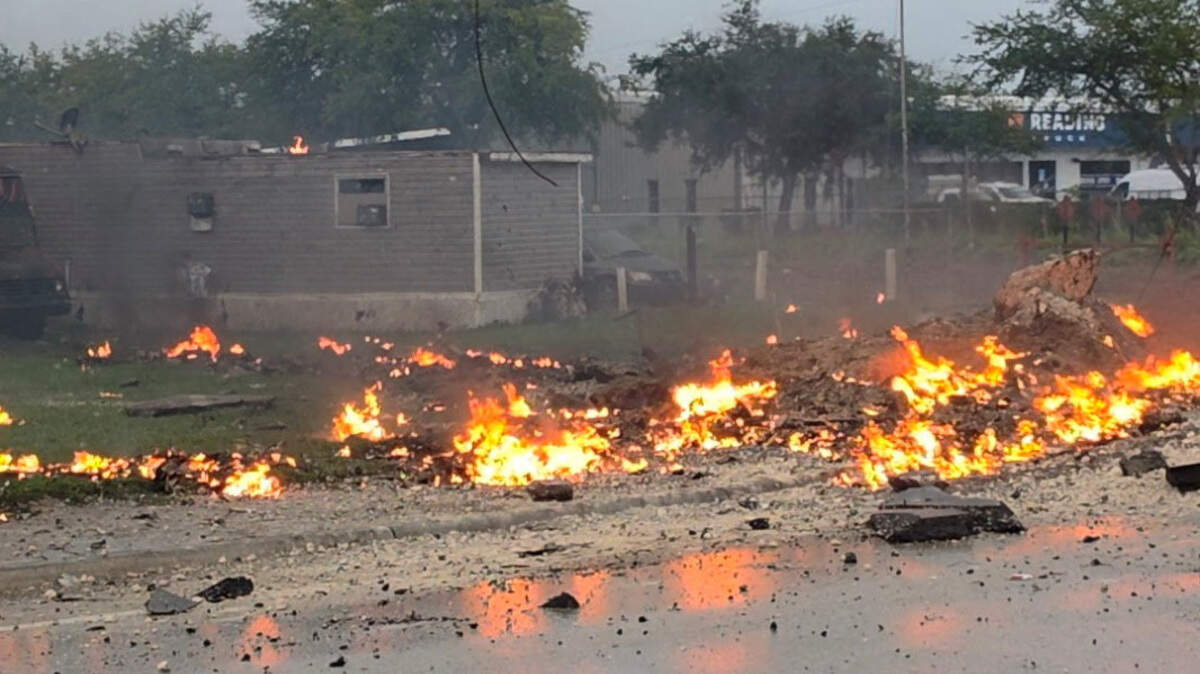
The latest incident occurred on October 6, when the Liberian-flagged oil tanker Aframax Rio came under attack from an unmanned vessel off Russia’s Black Sea coast and caught fire. According to Russia’s Transport Ministry, all 23 crew members were Indian nationals and were rescued safely, with no injuries reported. Firefighters subsequently worked to contain the blaze, while authorities in the Sirius area temporarily closed nearby beaches as a precaution.
The circumstances surrounding the attack remain politically sensitive. Russian authorities described it as an attack by an unmanned vessel, while reports have linked the tanker to Russia’s so-called “shadow fleet” of vessels used to transport Russian oil despite Western sanctions. The vessel has reportedly appeared on Ukraine’s sanctions list. Attribution of the specific attack should, however, be treated with caution until independently established.
The incident came only hours after another major maritime attack involving Indian sailors in the Strait of Hormuz.
11 Indian sailors injured in Strait of Hormuz attack
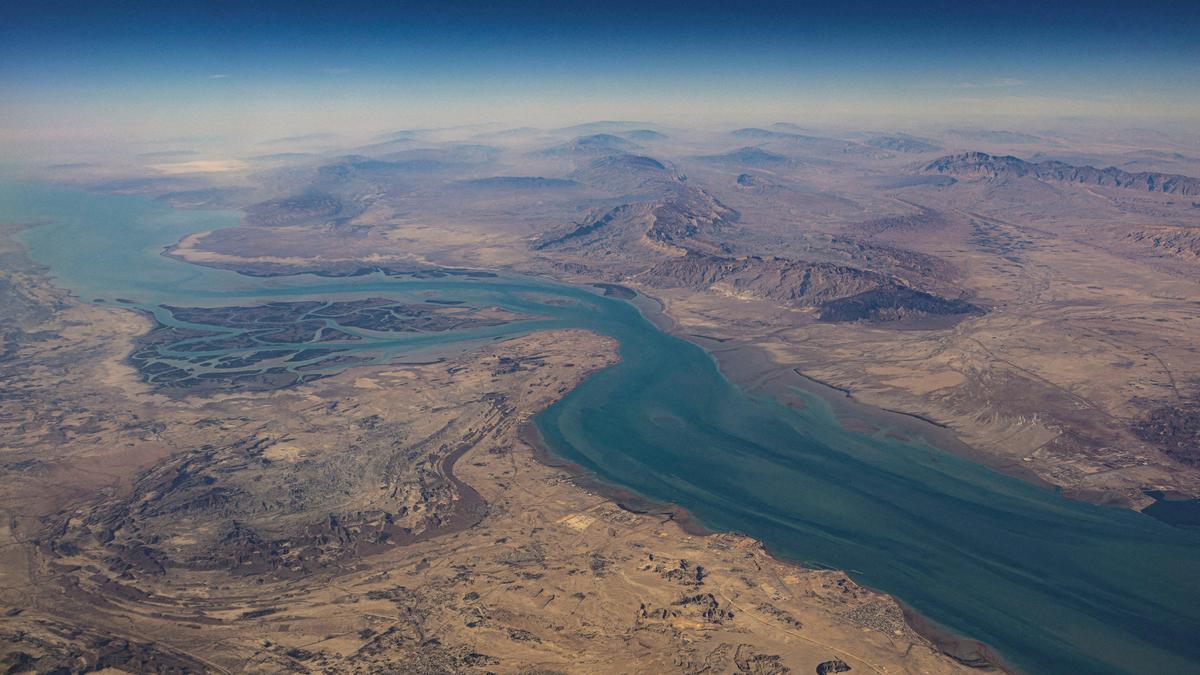
On October 6, the Panama-flagged commercial vessel MT On Peace was struck by a projectile while transiting the Strait of Hormuz off Oman.
India’s Ministry of External Affairs said the vessel had 19 crew members, including 17 Indian nationals. Twelve crew members were injured, of whom 11 were Indian. The injured sailors were evacuated with assistance from Omani authorities and taken to Khasab for medical treatment.
New Delhi condemned the attack and called for an immediate end to attacks on commercial shipping and civilian infrastructure. The MEA said the continued targeting of merchant vessels and seafarers was a matter of serious concern and stressed the importance of restoring safe navigation through international waterways.
The identity of those responsible for the strike on MT On Peace had not been established in the Indian government’s initial statement.
Black Sea attack kills two foreign seafarers
The same period also saw a serious attack involving the Turkish-owned MV Royad Mammadov in the western Black Sea.
The vessel was carrying corn and had three Indian nationals among its crew. Indian authorities said the Indian sailors were safe, although one was injured and received medical attention. Two foreign seafarers were killed in the incident. Ukrainian President Volodymyr Zelenskyy blamed Russia for the attack, describing it as part of a wider threat to civilian shipping and global food supply chains.
Independent maritime-security assessments have reported a wider escalation in attacks on merchant vessels in the western Black Sea. Ambrey said three merchant vessels were struck by drones or unmanned surface vehicles in Romanian and Bulgarian exclusive economic zones between October 5 and 6, with two vessels sinking. The company assessed that Russian forces were highly likely responsible, while also noting that investigations were continuing.
The European Union has also expressed concern. European Commission President Ursula von der Leyen said attacks on civilian shipping in the Black Sea were unacceptable, warning of growing risks to commercial vessels and their crews.
Why the Black Sea is becoming increasingly dangerous
The Black Sea has become a critical maritime front in the Russia-Ukraine war. Both sides have increasingly targeted vessels, ports and maritime infrastructure connected to their opponent's trade and logistics networks.
Ukraine has also expanded attacks against Russian-linked shipping. In September, Ukraine's Unmanned Systems Force claimed that its drones had disabled 300 Russian-linked vessels in the Black Sea and Sea of Azov since July 6. That figure is a Ukrainian military claim and has not been independently verified.
At the same time, Russia has continued attacks against Ukrainian ports and agricultural infrastructure. According to the Center for Strategic and International Studies, attacks on shipping and export infrastructure have created significant disruption to Ukraine's agricultural exports, with the country's Black Sea ports historically handling the overwhelming majority of its agricultural exports.
The growing danger has consequences far beyond the immediate conflict zone.
Global grain trade faces renewed uncertainty
Russia and Ukraine remain major players in global agricultural markets, particularly wheat and corn. Disruption to Black Sea shipping can therefore affect freight rates, insurance premiums, delivery schedules and commodity prices.
Recent reporting indicates that attacks on ports and commercial vessels have already disrupted grain flows, while wheat futures have moved sharply higher amid concerns over the reliability of Black Sea exports.
Ukraine has attempted to maintain exports through alternative routes, including rail, road and the Danube corridor. However, these routes cannot fully replicate the capacity and efficiency of large Black Sea ports.
The potential impact is particularly important for countries that depend heavily on Black Sea grain. Any prolonged reduction in exports could tighten international supplies and increase costs for importers, particularly in markets dependent on Russian and Ukrainian wheat and corn.
A growing challenge for Indian seafarers The latest incidents also underline India's growing exposure to maritime security risks.
Indian seafarers form a significant part of the international merchant shipping workforce and regularly operate vessels travelling through strategic waterways such as the Black Sea, Strait of Hormuz, Red Sea and Gulf of Aden.
India's Directorate General of Shipping has previously advised Indian vessels and seafarers operating around the Strait of Hormuz and Persian Gulf to conduct voyage-specific risk assessments, strengthen security procedures and prepare for threats including unmanned surface vessels and loitering munitions.
For Indian authorities, the latest incidents therefore represent not only a diplomatic challenge but also a direct maritime-safety concern.
The sequence of attacks—from the MV Royad Mammadov incident in the Black Sea, to the MT On Peace attack near Hormuz, and now the Aframax Rio tanker fire—shows how the risks faced by commercial shipping are increasingly extending beyond conventional war zones.
For the global shipping industry, the message is increasingly clear: major international trade routes are becoming exposed to military drones, projectiles and other asymmetric threats, putting civilian crews at risk even when their vessels are not directly participating in the conflict.
- Reuters — Russia says tanker crew rescued in Black Sea after attack set ship ablaze
- India Today — Unmanned vessel attack sets tanker ablaze off Russia's Black Sea, 23 Indians rescued
- Press Trust of India / ThePrint — 11 Indian crew injured after ship hit by projectile in Strait of Hormuz
- Reuters — Attacks on civilian shipping in Black Sea are unacceptable, EU's von der Leyen says
- Indian Express — Russian drone strike on MV Royad Mammadov
- Ambrey — Merchant Vessel Attacks in the Western Black Sea
- CSIS — How Do the Latest Black Sea Attacks Affect Global Food Security?
- Directorate General of Shipping, Government of India — Maritime Security Advisory


Reader comments (0)
No comments yet. Be the first.