India at the UN: BJP MP Kamaljeet Sehrawat Highlights Balance Between Military Needs and Humanitarian Concerns
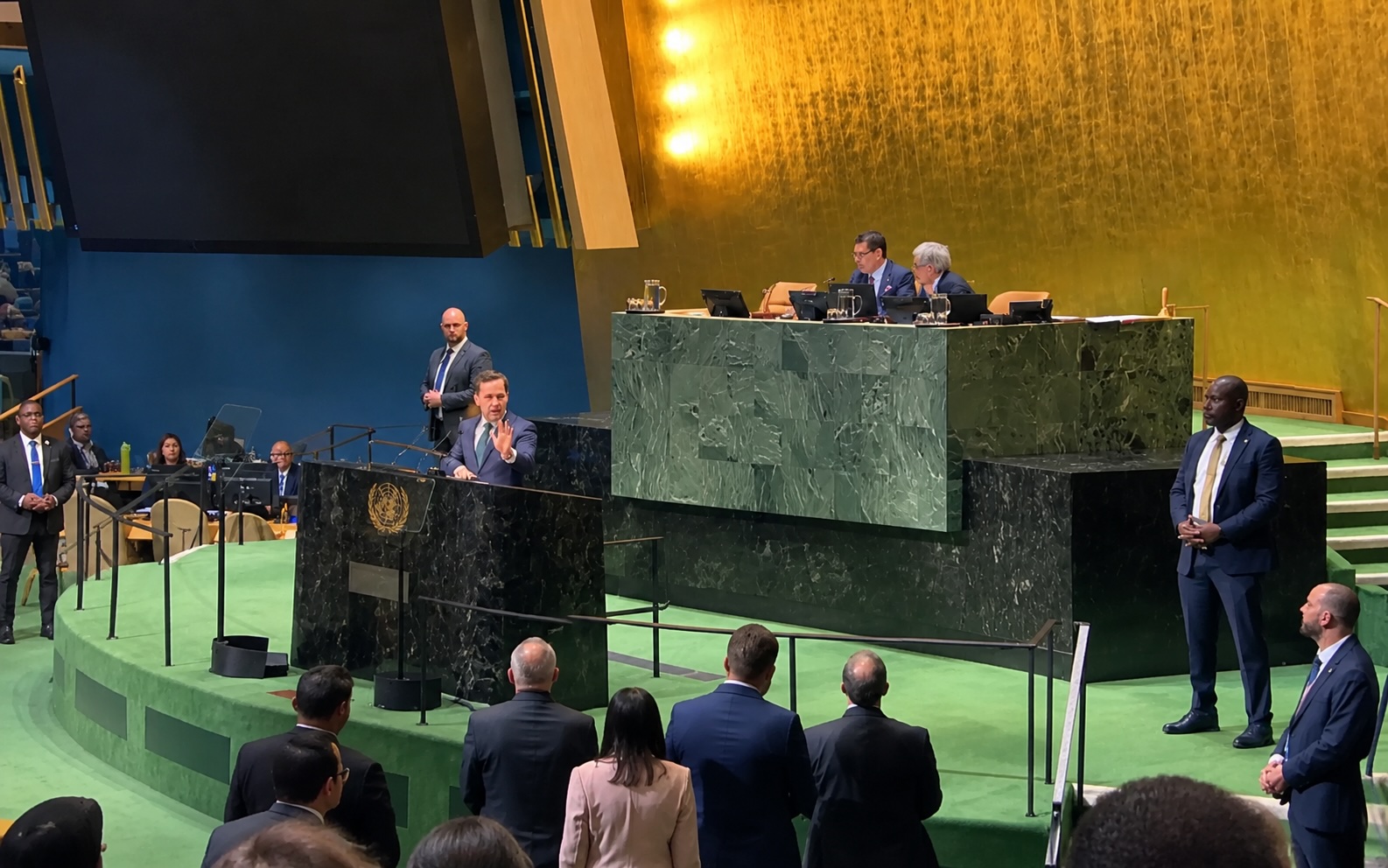
BJP MP Kamaljeet Sehrawat has highlighted India's support for balancing military needs with humanitarian concerns while discussing the Convention on Certain Conventional Weapons at the United Nations in New York.

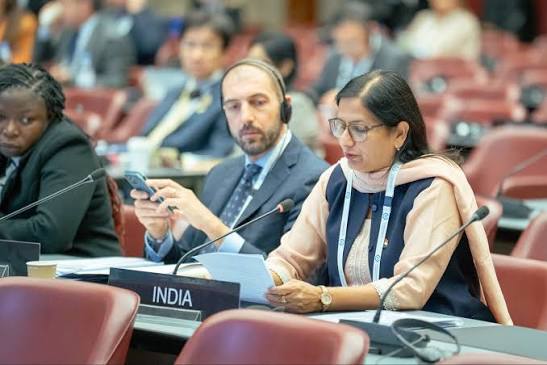
ndia has reiterated the importance of balancing military requirements with humanitarian concerns while discussing international rules on certain conventional weapons at the United Nations in New York.
BJP MP Kamaljeet Sehrawat, speaking on behalf of India, said the strength of the Convention on Certain Conventional Weapons (CCW) lies in its ability to bring countries with different security interests together under a common framework.
She noted that India is a party to all five protocols of the convention. According to her remarks, the agreement is important because it recognises that countries have legitimate security concerns while also addressing the need to reduce human suffering during armed conflict.
What is the Convention on Certain Conventional Weapons?
The Convention on Certain Conventional Weapons is an international agreement designed to restrict or regulate the use of specific weapons that may cause excessive suffering or affect civilians indiscriminately.
It is also known as the CCW or the Convention on Certain Conventional Weapons and was adopted in 1980. It works through a main convention and additional protocols dealing with particular types of weapons and their effects.
The five original protocols cover weapons such as fragments that cannot be detected by X-rays, mines and booby traps, incendiary weapons, blinding laser weapons, and explosive remnants of war.
These rules aim to reduce harm during armed conflicts without ignoring the realities faced by countries defending themselves.
Why does India emphasise both military and humanitarian concerns?
In simple terms, countries need the ability to defend themselves, but the use of weapons can also cause serious harm to civilians and people who are no longer taking part in fighting.
India's position, as described by Sehrawat, is that international rules should recognise both concerns. A framework that considers only military needs could overlook humanitarian consequences. On the other hand, rules that do not take countries' different security situations into account may be difficult to agree on and implement.
The CCW provides a platform for countries to discuss these issues and establish common restrictions.
Why does international cooperation matter?
Countries do not always agree on security threats, military priorities or the rules that should govern new weapons. An international agreement can help create shared standards despite those differences.
Sehrawat's remarks underline India's support for a framework in which states with different security interests can work together. Such cooperation is especially important as military technology changes and countries debate how existing international law should apply.
The bigger picture
The discussion at the United Nations reflects a wider challenge in international security: how to protect civilians and reduce unnecessary suffering while recognising the military needs of states.
India's stated position is that the CCW remains valuable because it brings these competing concerns into one international framework.
The bottom line: India's message at the UN is that weapons rules are strongest when they take both security realities and humanitarian responsibilities seriously. The challenge is turning that balance into practical rules that countries can agree on and follow.
Report a mistake
Related stories
20-Year-Old Co-Pilot’s Mayday Calls Before Fatal Florida Plane Crash Revealed
Israel Election Deadlock: Netanyahu Leads as Opposition Closes Gap
UAE Honours flydubai Crew for Courage During September In-Flight Incident
Reader comments (0)
No comments yet. Be the first.