Houthis Suspected of Building Ballistic Missile Using Chinese Components
A UK-based arms research organisation says intercepted components shipped from China may point to Houthi efforts to develop a more advanced ballistic missile with a range of around 1,500 kilometres.

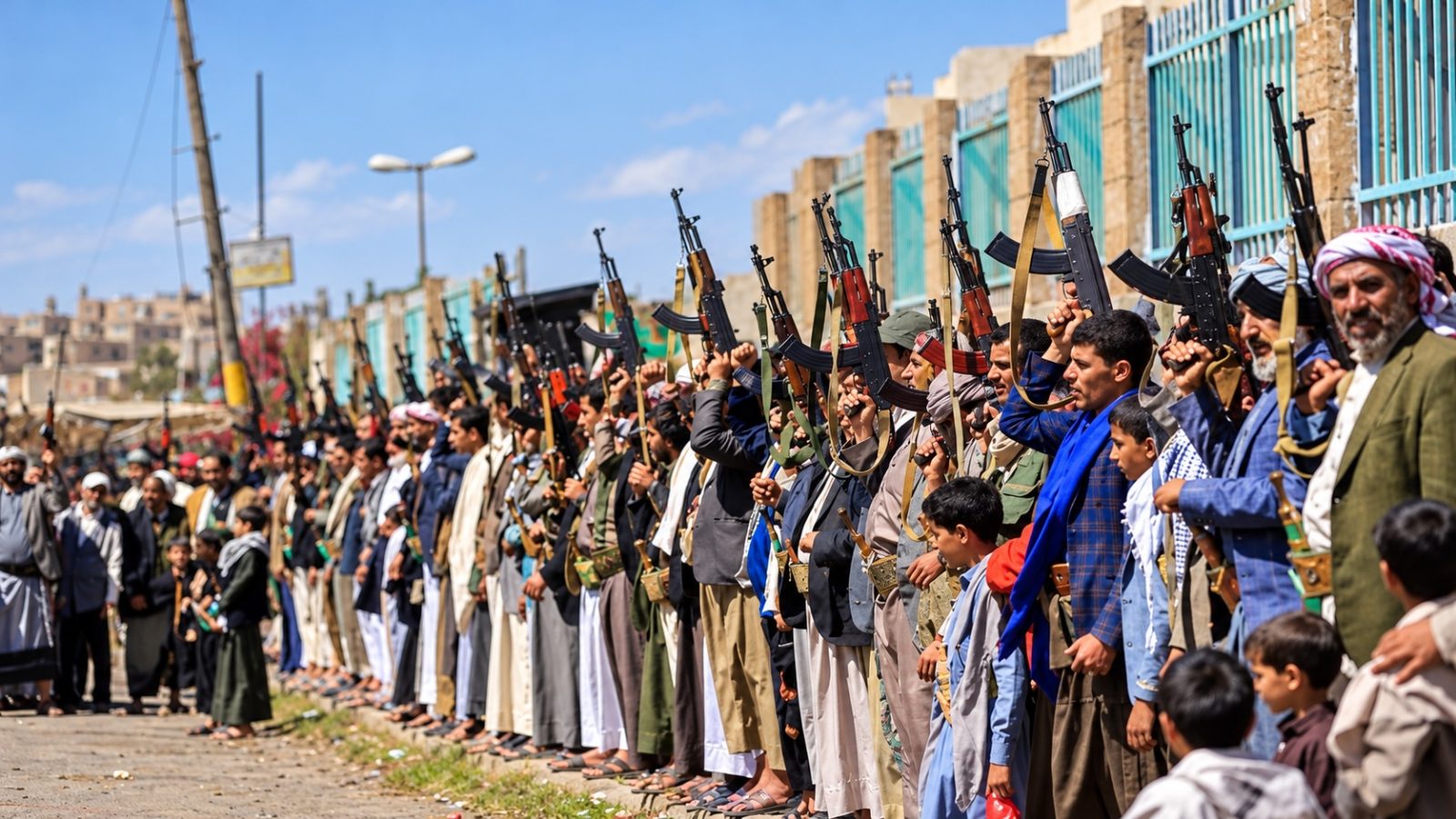
Yemen’s Houthi rebels are reportedly seeking to expand their missile manufacturing capabilities by sourcing components from China, according to a report released by the UK-based organisation Conflict Armament Research (CAR).
The report suggests that the group may be attempting to develop a ballistic missile resembling Iran’s Kheibar Shekan, which has a reported range of approximately 1,500 kilometres. If the Houthis succeed in developing a comparable weapon, it could potentially improve their ability to target locations in Saudi Arabia and Israel.
However, the report’s findings do not by themselves establish that the Houthis have successfully built such a missile or that the Chinese government knowingly supplied components for a weapons programme.
Suspected Missile Components Seized in Yemen
According to the report, Yemeni authorities intercepted two suspicious consignments shipped from China in July. The shipments were reportedly intended to reach the port of Hodeidah, which has been cited by Israeli officials in connection with alleged Iranian weapons supply routes.
The seized material included components that investigators believe could be used in missile production. Fabian Hinz, a senior analyst associated with the research, said the items appeared consistent with preparations to manufacture a type of missile designed in Iran. He reportedly questioned whether the components had plausible civilian applications.
Among the items described in the report were rocket motor components, parts used to stabilise a missile during flight, and equipment associated with starting a rocket motor.
The shipment also reportedly contained phenolic resin, a material that can be used in heat-resistant protective layers. Such materials are important in missile engineering because high-speed flight and motor operation expose components to extreme temperatures.
Houthis’ Weapons Capabilities Have Expanded
The Houthi movement emerged as an armed insurgent group in Yemen around two decades ago. Its early arsenal included older weapons acquired from Yemeni military stocks, including Soviet-era equipment and weapons of North Korean origin.
Over time, the group developed a more capable arsenal, including ballistic missiles and long-range drones. It has launched weapons towards Saudi Arabia and Israel, demonstrating an ability to threaten targets far beyond the areas under its control.
The CAR report suggests that the Houthis may now be seeking to reduce their dependence on importing complete weapons by obtaining individual components and assembling or manufacturing more equipment locally.
Producing weapons in this way could make supply networks more flexible, although developing a reliable modern ballistic missile requires specialised engineering, testing and access to complex systems.
Iran Remains an Important Source of Technology
Iran has long been accused by the United States and other governments of supporting Houthi weapons development through technical expertise, designs and components. Tehran’s role and the extent of its assistance have been disputed in various contexts.
The report indicates that the Houthis may be looking for additional supply routes, including through commercial networks in other countries. Sourcing components internationally could help the group continue its weapons programme despite sanctions and efforts to disrupt arms transfers.
Behnam Ben Taleblu, a senior director at the Foundation for Defense of Democracies’ Iran programme, has argued that access to multiple procurement channels can benefit armed groups seeking to maintain their weapons capabilities.
Nevertheless, experts caution that acquiring individual parts does not automatically give a group the ability to independently develop every element of an advanced missile. The Houthis may still rely on external expertise for sophisticated guidance, propulsion and other critical systems.
China Faces a Potential Diplomatic Challenge
The allegations could create a diplomatic complication for China, which maintains important economic relations with both Iran and Saudi Arabia. Beijing helped broker a diplomatic rapprochement between Riyadh and Tehran in 2023 and has publicly called for de-escalation in the region.
China has also condemned Houthi attacks on Saudi targets. Saudi Arabia is a major trading partner for Beijing, making regional security an important consideration in their relationship.
If the seized components are confirmed to have been intended for Houthi missile production, questions could arise about how they were exported, who supplied them and whether any export controls were violated.
There is currently no clear evidence in the information provided that the Chinese government deliberately supplied the components to help the Houthis build a missile. The key unanswered questions concern the origin of the shipments, the intended recipients and whether the components were knowingly diverted to a weapons programme.
#Houthis #China #BallisticMissiles #Iran #Yemen #SaudiArabia #Israel #WorldNews

Reader comments (0)
No comments yet. Be the first.