The Boxer Rebellion: China’s Uprising Against Foreign Influence
The Boxer Rebellion of 1899–1901 was an anti-foreign uprising in China driven by resentment over foreign interference, Christian missionary activity and imperial privileges. Its suppression by an international military alliance further weakened the Qing dynasty.

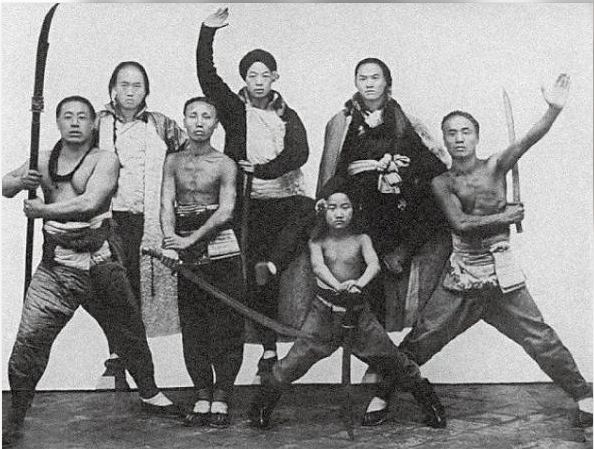
The Boxer Rebellion was an anti-foreign and anti-Christian uprising that took place in China between 1899 and 1901. Led by members of a popular movement known as the Boxers, the rebellion opposed foreign influence, Christian missionary activities and the political and economic privileges enjoyed by foreign powers in China.
The uprising emerged during a period when China faced increasing pressure from Western countries and Japan. Foreign powers had secured trading rights, territorial concessions and special legal privileges, leading many Chinese people to believe that their country's sovereignty was under threat. Economic hardship, unemployment, droughts and floods added to the growing resentment, particularly in northern China.
The rebellion escalated in 1900 when Boxers attacked foreign missionaries and Chinese Christians and laid siege to foreign diplomatic legations in Beijing. An international military force, known as the Eight-Nation Alliance, intervened and captured Beijing. In 1901, China was forced to sign the Boxer Protocol, accepting a substantial financial indemnity and other conditions imposed by foreign powers.
Background: Growing Foreign Influence in China
During the nineteenth century, China experienced increasing political and economic pressure from foreign powers. Military conflicts and unequal agreements gave foreign countries greater access to Chinese markets and expanded their privileges within the country.
These arrangements undermined the authority of the Qing dynasty, which ruled China at the time. Many Chinese people viewed foreign economic interests and missionary activities as threats to their traditions, communities and national independence.
Conditions in parts of northern China further aggravated the situation. Droughts, floods, unemployment and economic insecurity intensified public frustration. Against this background, an anti-foreign movement gained support among people who believed that foreign interference was responsible for many of the country's difficulties.
Who Were the Boxers?
The Boxers belonged to a popular movement associated with the Society of Righteous and Harmonious Fists. They practised martial arts and traditional rituals and opposed foreign influence and Christian missionary activity.
Foreign observers called them “Boxers” because of their martial arts practices.
The movement attracted people who resented foreign privileges and the growing influence of Christian missions. Its members also targeted Chinese converts to Christianity, whom they regarded as associated with foreign influence.
Although the Boxers drew support from sections of Chinese society, their activities became increasingly violent. Attacks on Chinese Christians, missionaries and foreign interests turned the movement into a major challenge to public order and the Qing government's authority.
The Major Events of the Boxer Rebellion
1899: The movement expands
Anti-foreign activity grew in northern China as opposition to foreign influence and Christian missionary work intensified. The Boxers gained support amid economic hardship and local tensions.
1900: The uprising escalates
The rebellion spread, with Boxers attacking Chinese Christians and foreign missionaries. Foreign diplomatic legations in Beijing came under siege, prompting foreign powers to organise a military intervention.
1900: The Eight-Nation Alliance intervenes
Troops from eight countries entered China to relieve the besieged diplomatic legations and protect foreign interests. The alliance captured Beijing, bringing the main phase of the uprising under military suppression.
1901: The Boxer Protocol is signed
China signed the Boxer Protocol, agreeing to pay a substantial indemnity and accept additional conditions imposed by the foreign powers. The agreement placed a heavy financial burden on the country and further restricted its freedom of action.
The Eight-Nation Alliance
The international military force that intervened against the Boxers consisted of troops from eight countries:
Britain
France
Germany
Russia
Japan
United States
Italy
Austria-Hungary
The alliance intervened to protect foreign nationals and diplomatic missions and to relieve the siege in Beijing. Its military campaign ended the main phase of the rebellion and strengthened the position of foreign powers in China.
The intervention also demonstrated the military advantage foreign countries held over the Qing government at the time.
Consequences of the Boxer Rebellion
The rebellion had far-reaching consequences for China, affecting its finances, political stability and relationship with foreign powers.
1. A heavy financial burden
The Boxer Protocol required China to pay a substantial indemnity to the foreign powers. The payments placed additional pressure on the country's already strained finances.
2. Further restrictions on sovereignty
The settlement strengthened foreign privileges and imposed conditions that limited China's ability to act independently. The intervention reinforced the influence of foreign powers over Chinese affairs.
3. Weakening of the Qing dynasty
The rebellion and its suppression damaged the authority and credibility of the Qing dynasty. The government's inability to prevent the uprising or resist foreign military intervention exposed its political and military weaknesses.
4. Greater resentment against foreign imperialism
The military intervention and the conditions imposed after the rebellion deepened resentment toward foreign domination. The crisis reinforced opposition to imperialism and contributed to growing demands for political change.
5. A wider climate of reform and revolution
The Boxer Rebellion added to the political instability confronting the Qing dynasty in the early twentieth century. Although it was not the sole cause of the dynasty's downfall, it formed part of the wider crisis that culminated in the 1911 Revolution and the end of Qing rule.
Why Is the Boxer Rebellion Historically Important?
The Boxer Rebellion illustrates the tensions that can develop when foreign intervention, economic hardship, religious conflict and weakened government authority converge.
For many participants, the uprising represented resistance to foreign domination and the erosion of Chinese sovereignty. However, the violence against Chinese Christians and foreign missionaries also showed how opposition to outside influence could turn against local communities associated with it.
The response by the Eight-Nation Alliance exposed the Qing dynasty's limited capacity to defend the country against foreign military power. The Boxer Protocol then imposed further financial and political costs on China.
The rebellion was therefore an important episode in the history of modern China. It highlighted the struggle over national sovereignty, intensified resentment against imperialism and contributed to the broader political crisis that eventually brought the Qing dynasty to an end in 1911.


Reader comments (0)
No comments yet. Be the first.