India-US Trade Deal: Trump Says Agreement Is ‘Pretty Close’ — What Is Holding It Up?
Donald Trump says India and the US are close to a trade agreement, with officials suggesting most of the work is complete. But differences over the wording of the deal, tariffs and energy trade still need to be resolved.

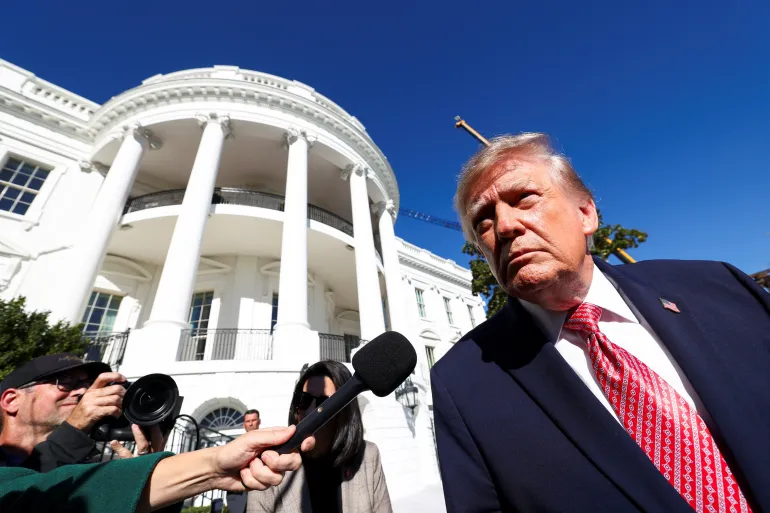
India and the United States may be moving closer to a long-awaited trade agreement. US President Donald Trump has said the two countries are “pretty close” to a deal, adding that it will be different from the trade agreements Washington has signed with other countries.
Speaking to reporters at the Oval Office, Trump said India wanted a deal and that both sides were working towards one.
His comments came a day after US Secretary of State Marco Rubio also expressed confidence about the negotiations. In an interview with The Indian Express, Rubio said the two countries were “incredibly close” to an agreement and that around 99 per cent of the work had been completed.
But if the deal is almost ready, why has it not been signed yet?
The answer is that trade agreements are not just about agreeing to trade more goods. Both countries must also settle the rules, conditions, tariffs and exact wording that will govern their trade. Even small differences can matter when those rules affect businesses worth billions of dollars.
1. What is the India-US trade deal about?
In simple terms, a trade deal sets out the conditions under which two countries trade with each other. It can determine the tariffs charged on imported goods, which products receive better access to each other's markets and what rules businesses must follow.
For India, a deal with the US could provide greater certainty for exporters and help businesses plan their sales in one of the world's largest consumer markets.
For the US, the agreement could improve access to the Indian market for American companies and support broader economic and strategic ties with India.
Prime Minister Narendra Modi and Trump agreed to launch negotiations in February 2025, with the aim of expanding economic cooperation. They also set an ambitious goal of reaching $500 billion in bilateral trade by 2030.
That is the larger ambition. The immediate task is to agree on the terms that will make the arrangement work.
2. If 99 per cent of the work is done, what is the problem?
This is where Rubio's latest comments become important.
He said the remaining differences were largely related to language and the meaning of specific words and phrases. He also made it clear that both sides needed to agree fully on what the final deal meant.
That may sound like a small issue, but the wording of a trade agreement can have real consequences.
For example, a phrase in an agreement could determine which products qualify for a tariff reduction, how a rule is applied or what obligations a country must meet. If India and the US interpret the same sentence differently, a disagreement could emerge later.
Rubio said he believed the agreement could be finalised in weeks rather than months, while also stressing that the remaining work needed to be completed.
His comments suggest that the negotiations have made progress. However, until the final terms are agreed and formally announced, the deal remains unfinished.
3. How did the negotiations run into trouble?
The negotiations began in early 2025, but relations between the two countries became strained in the months that followed.
After the India-Pakistan hostilities in May 2025, Trump claimed credit for helping bring about a ceasefire. That claim created friction with New Delhi.
Trade tensions then increased when the Trump administration imposed tariffs totalling 50 per cent on Indian goods, according to the account of the negotiations provided by The Indian Express. The tariffs included a 25 per cent reciprocal tariff and an additional 25 per cent linked to India's purchases of Russian energy.
These measures made the trade negotiations more difficult. For Indian exporters, higher tariffs could make their products more expensive in the US, potentially reducing their competitiveness.
The two countries later agreed on a negotiating framework in early February 2026 and had expected to sign a deal by March. But the process became more complicated after a US Supreme Court ruling in February struck down the emergency powers Trump had relied on to impose tariffs.
That changed the negotiating situation. Indian officials reportedly began reassessing the terms and tariffs under the new circumstances, and both sides continued trying to bridge their differences.
4. Why does Russian oil matter in a trade agreement?
India's purchase of Russian oil has been one of the sensitive issues in its relationship with Washington.
After Russia invaded Ukraine, the US and its allies imposed sanctions and other restrictions on Moscow. India continued buying Russian crude, which has been an important part of its energy sourcing.
The Trump administration linked additional tariffs on Indian goods to India's purchases of Russian energy. This put New Delhi in a difficult position: it had to protect its economic interests while managing its relationship with Washington and meeting its energy needs.
India later reduced its Russian oil imports, and negotiations with the US gained momentum. But energy policy remains connected to the wider relationship.
On October 16, Trump's decision to pause a proposed law that would have authorised tariffs of up to 100 per cent on major buyers of Russian energy brought some relief to countries such as India.
Rubio has also explained that Trump was balancing pressure on countries involved in the Russia-Ukraine war with the need to protect important relationships, including the one with India.
In other words, trade policy is not being decided on economic grounds alone. It is also tied to US foreign policy and the war involving Russia and Ukraine.
5. What have Indian and US officials said recently?
Over the past few weeks, officials on both sides have offered different assessments of how close the deal is.
October 1: US Trade Representative Jamieson Greer said Washington was working with India to finalise the agreement, but cautioned that a deal was not imminent.
October 5: Finance Minister Nirmala Sitharaman said negotiations had reached a plateau, with further concessions becoming very difficult for both sides.
October 14: External Affairs Minister S. Jaishankar said the two countries were continuing discussions to resolve their differences and move towards a landing point.
October 15: US Ambassador Sergio Gor said major issues had been addressed and expressed confidence that the deal would be completed.
October 16: Trump's decision to pause the proposed legislation involving additional tariffs on buyers of Russian energy eased one source of concern for India.
October 20: Rubio said the agreement was very close, with most of the work done but the final details still requiring complete agreement.
Commerce Minister Piyush Goyal has also met US Trade Representative Jamieson Greer in Milwaukee and Washington to discuss the remaining details.
Taken together, these statements point to renewed momentum. But they also show why it would be premature to treat the agreement as final.
6. Why is the timing important?
There are political and economic reasons for both governments to want progress.
The US midterm elections are approaching, while Modi is expected to visit the US for the G20 leaders' summit in December. A completed agreement around that period could provide a significant diplomatic and economic announcement.
For India, a deal could offer exporters more clarity about access to the US market and reduce uncertainty over tariffs. For American businesses, it could create new opportunities to sell goods and services in India.
The two governments are also trying to strengthen cooperation in areas such as energy and defence equipment. Those discussions form part of the wider relationship, although they are not the same as the trade agreement itself.
The $500 billion trade target for 2030 gives both sides a reason to keep negotiating. Reaching that figure, however, will depend on the final agreement, market demand and how trade develops over the coming years.
7. What happens next?
The immediate focus is on resolving the remaining differences in the text and agreeing on the final terms.
Rubio's confidence and Trump's latest remarks suggest that Washington sees an opportunity to conclude the deal soon. Indian officials have also continued engaging with their American counterparts.
Still, there is a difference between saying an agreement is close and actually signing it. The final outcome will depend on whether both governments can agree on the details without reopening major disagreements over tariffs, energy or market access.
The bottom line: India and the US appear to be closer to a trade agreement than they were during the period of heightened tariff tensions. But until both sides confirm the final terms and announce a signing, the deal remains a work in progress.
Report a mistake
Related stories

Defence Modernisation, Emerging Security Challenges Discussed at Ministry Meeting in Jaisalmer
20-Year-Old Co-Pilot’s Mayday Calls Before Fatal Florida Plane Crash Revealed
Oil Prices Rise After Reported US Strike on Iran’s Qeshm Island
Reader comments (0)
No comments yet. Be the first.