BvS10 Sindhu: India Begins Production of Special Army Vehicles for Ladakh and Kutch
L&T and BAE Systems have started producing 18 BvS10 Sindhu all-terrain vehicles for the Indian Army. Designed for extreme weather, they will help troops move through Ladakh’s snowy mountains and Kutch’s marshlands.

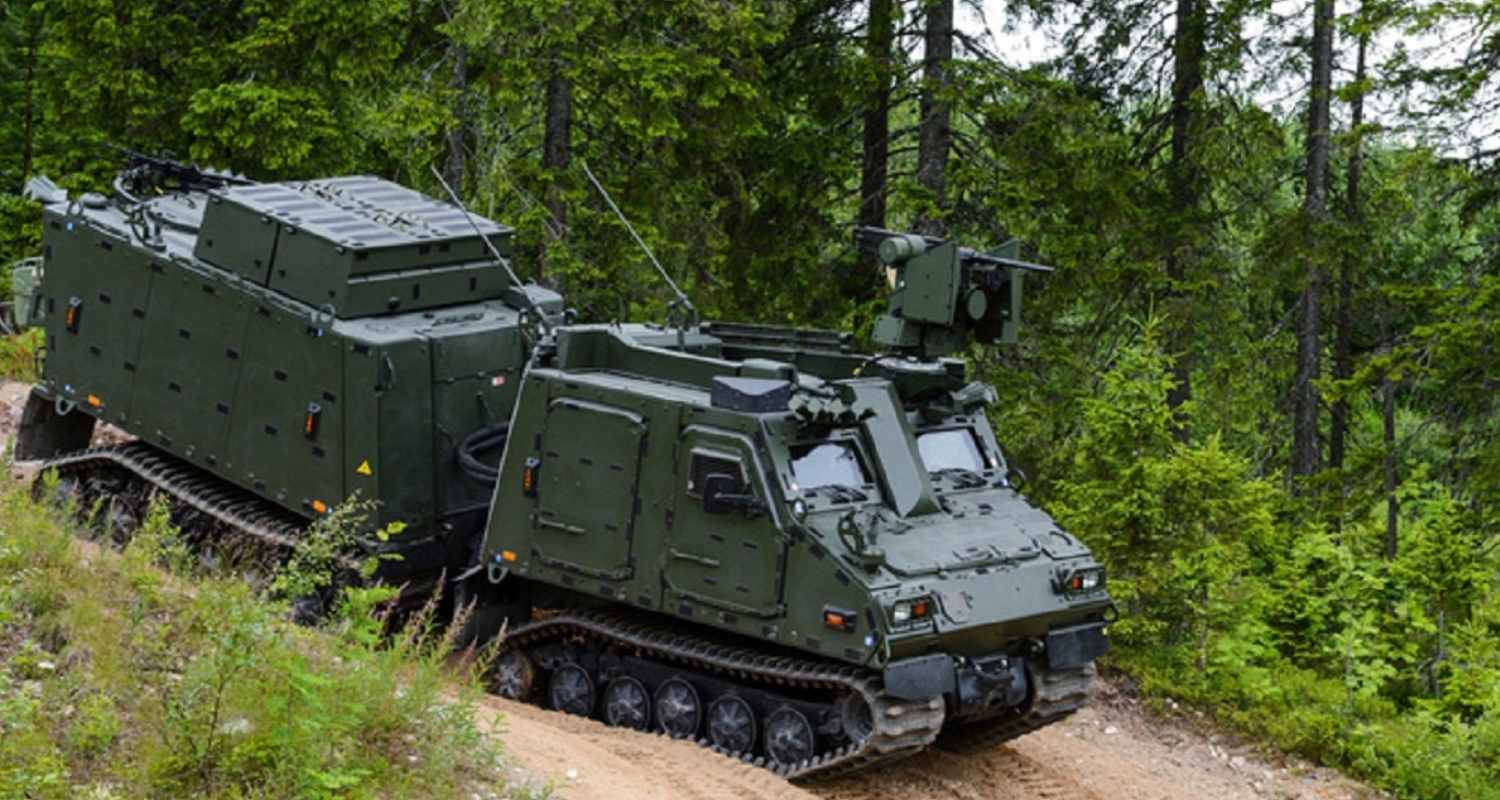
Imagine an Army vehicle that needs to work in temperatures as low as minus 55°C in the mountains and face heat reaching 55°C in the desert. It must also move through snow, mud, marshes and rough ground where ordinary military vehicles may struggle.
That is the kind of challenge the Indian Army wants the BvS10 Sindhu to handle.
Larsen & Toubro (L&T) and British defence company BAE Systems began production of the vehicle on October 28 at L&T’s manufacturing facility in Hazira, Surat, Gujarat.
The Indian Army has placed an initial order for 18 vehicles. They are intended for operations in two very different parts of the country: the high-altitude region of Ladakh and the marshy, desert terrain of Kutch near the Pakistan border.
The idea is simple: give soldiers a vehicle that can reach difficult areas, transport personnel and supplies, and support operations in conditions that put both people and machines under enormous pressure.
What exactly is the BvS10 Sindhu?
The BvS10 Sindhu is an upgraded version of the BvS10, an articulated all-terrain vehicle originally developed by BAE Systems Hägglunds.
But what does “articulated” mean?
Unlike a conventional vehicle with one rigid body, an articulated vehicle has connected sections that can move in relation to each other. This arrangement helps it turn and travel across uneven ground, making it useful in places where normal wheeled vehicles can lose traction or become stuck.
The BvS10 platform is designed to operate across challenging terrain, including snow, ice, sand and marshland. The vehicle family also has amphibious capability, meaning it can travel through water under suitable conditions.
The Indian version, called Sindhu, has been adapted to meet the Army’s requirements for India’s varied climate and geography.
Why does the Army need it in Ladakh?
Ladakh presents some of the toughest conditions for military operations.
Parts of the region lie at altitudes of around 18,000 feet. The terrain includes steep mountains, rocky tracks and areas that experience heavy snowfall and extreme winter temperatures.
At such heights, soldiers face more than just the cold. Thin air, difficult roads and long distances can make moving people, equipment and supplies a major challenge.
The BvS10 Sindhu is designed to support operations in these conditions, including at temperatures as low as minus 55°C.
Its purpose is not simply to move faster. It is to help the Army maintain mobility in areas where reaching a location can itself be difficult.
Reliable transport is important for moving personnel, carrying essential supplies and supporting troops operating in remote positions.
Why is Kutch another important deployment area?
Ladakh is known for its freezing winters, but Kutch presents a very different problem.
Located in Gujarat near the Pakistan border, the region includes desert terrain, marshlands and the Great Rann of Kutch. Some areas can become particularly difficult to cross because of soft ground, mud and seasonal water.
Temperatures can also rise to around 55°C in extreme conditions.
A conventional vehicle may struggle when the ground is too soft or uneven. A vehicle designed for all-terrain movement can help soldiers patrol areas where roads are limited or difficult to use.
The BvS10 Sindhu is expected to support Army operations in Kutch by helping troops move through marshy land, desert areas and the Great Rann.
This makes the vehicle useful in two very different settings: the snow-covered mountains of northern India and the hot, difficult terrain along the western border.
What can the vehicle do for soldiers?
The main advantage is mobility. A vehicle is useful to the Army only if it can reach the place where soldiers need it.
The wider BvS10 platform can be configured for different roles, depending on the equipment fitted to it. These can include:
-Transporting soldiers and essential supplies.
-Supporting movement across snow, ice, sand and marshland.
-Carrying equipment for military operations.
-Serving in specialised roles such as medical evacuation, command support or logistics, when configured for those tasks.
The exact capabilities of each vehicle depend on its configuration. The initial order of 18 vehicles is a relatively small fleet, intended to add a specialised capability rather than replace the Army’s existing transport vehicles.
What does this mean for Make in India?
The production launch is also important for India’s defence manufacturing sector.
Under the agreement announced in November 2025, L&T will manufacture the BvS10 Sindhu at its Hazira facility, with technical and design support from BAE Systems Hägglunds.
This arrangement combines an established international vehicle platform with manufacturing in India. It also includes support for maintenance and the vehicles’ long-term service life.
Local production can help build industrial expertise, strengthen the domestic supply chain and reduce dependence on overseas manufacturing for at least part of the programme.
However, starting production does not mean all 18 vehicles have already been delivered to the Army. Manufacturing, testing, delivery and operational deployment are separate stages.
What happens next?
The next important steps will be completing production, carrying out the required checks and delivering the vehicles for Army use.
Their performance in service will show how effectively they meet the demands of Ladakh’s high-altitude terrain and Kutch’s difficult ground conditions.
For the Army, the objective is straightforward: improve the ability to move soldiers and supplies in places where weather and geography can make routine movement a serious challenge.
The BvS10 Sindhu is not a replacement for every military vehicle. It is a specialised platform designed for places where ordinary transport may struggle.
The bigger picture: From minus 55°C in Ladakh to extreme heat and marshland in Kutch, the Army needs equipment suited to India’s very different border environments. The BvS10 Sindhu is intended to help meet that need, while its production in Gujarat adds another project to India’s domestic defence manufacturing effort.
Report a mistake
Related stories
Indian Army’s Mech Tech 2.0: How India Plans to Upgrade Its Existing Military Equipment

Sonam Wangchuk Says Peaceful Protests Help Governments Understand Public Concerns

Apple’s October 28 Launch: OLED MacBook Pro, New Macs and iPad Mini 8 Expected

Reader comments (0)
No comments yet. Be the first.