Rajnath Singh Proposes India–ASEAN ‘Youth Bridge’ at Defence Forum
Defence Minister Rajnath Singh has proposed an India–ASEAN “Youth Bridge” to connect young people through digital innovation, exchanges and skills development, strengthening ties between India and Southeast Asian countries.

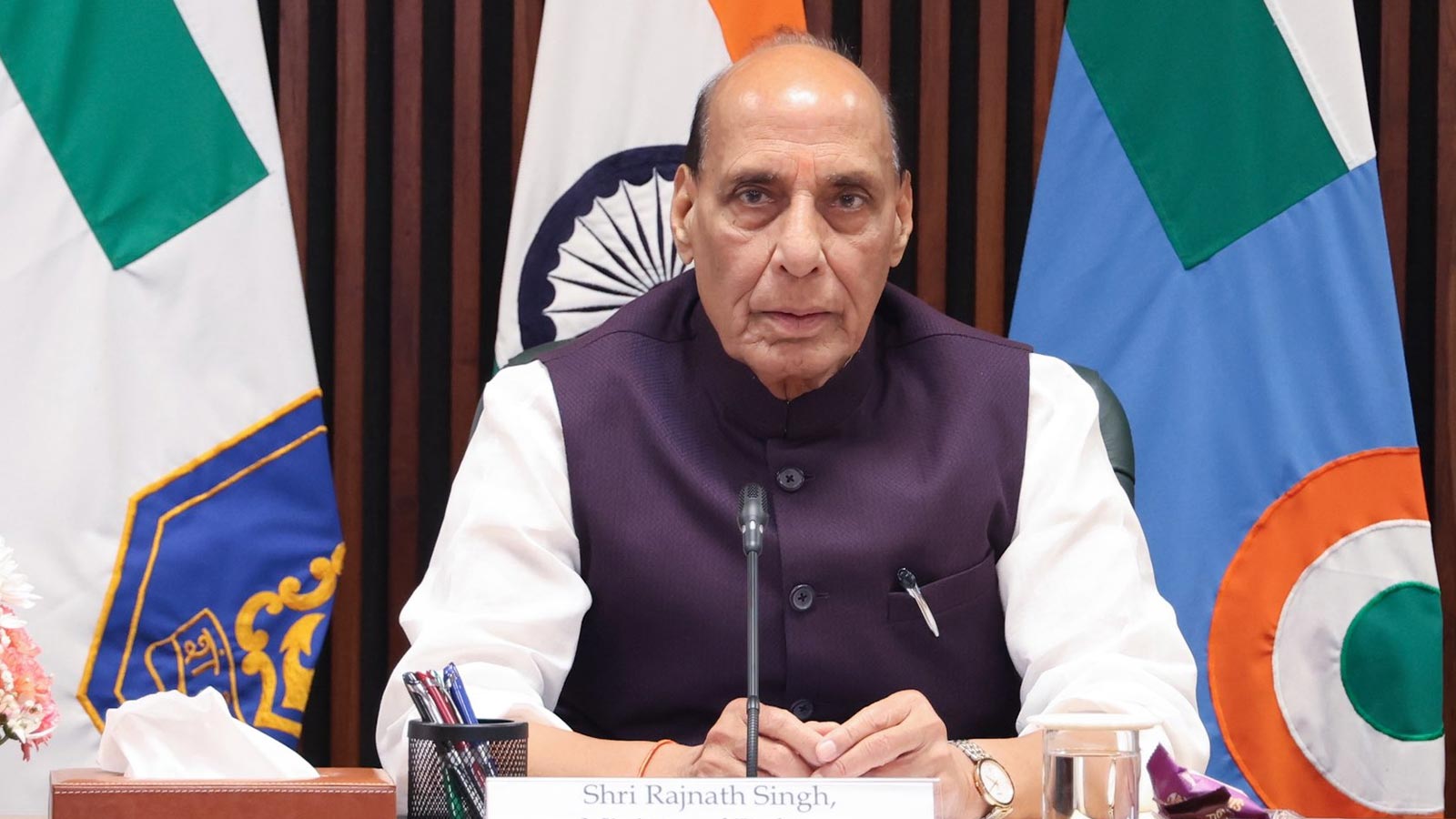
India wants to build stronger connections with Southeast Asian countries, and Defence Minister Rajnath Singh believes young people can play an important role in that effort.
Speaking at the ASEAN Defence Ministers’ Meeting-Plus (ADMM-Plus) forum in Cebu, Philippines, Singh proposed creating an India–ASEAN “Youth Bridge”. The idea is to bring young people from India and ASEAN countries closer through people-to-people connections, digital innovation and skills development.
In simple terms, the proposal is about creating more opportunities for young Indians and young people across Southeast Asia to learn from one another, share ideas and build relationships.
Singh said India and ASEAN countries have a major advantage because a large part of their populations is young. He argued that their energy, ambitions and willingness to engage with new ideas could help shape the region’s future.
The proposal is part of India’s wider effort to strengthen its relationship with ASEAN, a regional grouping of Southeast Asian nations.
What does ‘Youth Bridge’ actually mean?
The name may sound like a formal diplomatic initiative, but the basic idea is easy to understand: create stronger links between young people across borders.
Singh identified three broad areas for cooperation.
1. People-to-people connections
Young people could benefit from opportunities to interact with peers in other countries, exchange experiences and understand different cultures. Such connections can help build trust and improve understanding between societies.
2. Digital innovation
India and ASEAN countries could encourage young people to share ideas and explore digital technology. This could create opportunities for collaboration in areas such as technology, innovation and digital skills.
3. Skills and capacity building
Young people need the skills to find work, adapt to changing industries and contribute to their communities. Cooperation in training, knowledge-sharing and skill development could help prepare them for future opportunities.
The proposal outlines a direction for cooperation. The speech, as provided, does not specify a launch date, funding arrangements or a detailed implementation plan.
What is ADMM-Plus, and why was Singh speaking there?
ADMM-Plus stands for the ASEAN Defence Ministers’ Meeting-Plus. It is a forum where defence ministers from ASEAN member countries meet with eight dialogue partners, including India, the United States, China, Japan, Russia, South Korea, Australia and New Zealand.
The forum was established to encourage dialogue and practical cooperation on regional defence and security issues. Its work covers areas such as maritime security, counter-terrorism, disaster management and peacekeeping.
At first, a proposal focused on young people may seem unusual at a defence ministers’ meeting. But regional security is not limited to military equipment or border disputes. Long-term stability also depends on trust, cooperation and stronger relationships between countries.
Singh linked the Youth Bridge proposal to ADMM-Plus’s wider objectives and the meeting’s joint statement on “Youth, Peace and Security”. His message was that empowering the next generation can contribute to a more stable and cooperative region.
Why does India want stronger ties with ASEAN?
ASEAN is important to India because of its economic, strategic and geographical links with Southeast Asia.
India has worked to deepen its engagement with the region through its Act East Policy, which aims to strengthen economic, diplomatic and strategic relations with East and Southeast Asian countries.
The relationship includes trade, connectivity, cultural links and defence cooperation. India also engages with ASEAN countries on regional security and the future of the Indo-Pacific.
Young people could add another dimension to these ties. When students, technology professionals, entrepreneurs and other young people interact, they can build connections that continue long after official meetings end.
For example, a young technology professional in India might learn from a digital project developed in Singapore, while a student from another ASEAN country might gain a better understanding of India's technology sector or education system.
These are examples of the kind of opportunities closer cooperation could encourage, rather than confirmed activities under the proposed Youth Bridge.
Why is the youth population such an important factor?
India and many Southeast Asian countries have large young populations. This can be a major advantage because young people can contribute to economic growth, innovation and social development.
But having a young population is not enough on its own. Young people also need access to education, training, employment and opportunities to participate in public life.
Singh’s proposal places emphasis on turning that potential into practical cooperation. If young people can develop useful skills, exchange knowledge and work together, the benefits may extend beyond individuals to businesses, communities and the wider region.
At the same time, the results will depend on how any initiative is designed and implemented. A proposal will need clear programmes and opportunities for young people to participate if it is to make a lasting difference.
What happens next?
Singh has put forward the idea of an India–ASEAN Youth Bridge, but the next step would be to establish how it would work in practice.
That could involve decisions about participating countries, exchange programmes, digital collaboration, training opportunities and how progress would be measured. These details were not included in the remarks supplied for this report.
For now, the proposal signals India’s interest in making young people an important part of its engagement with Southeast Asia.
The bigger picture
Rajnath Singh’s message in Cebu was that India’s relationship with ASEAN should not be limited to governments and defence establishments. Young people can also help build lasting connections between the countries.
The proposed Youth Bridge aims to connect their ambitions through interaction, technology and skills development.
If the idea moves from a proposal to practical programmes, it could create new opportunities for young people and strengthen ties between India and Southeast Asia. The next important question is how the initiative will be put into action.
Report a mistake
Related stories
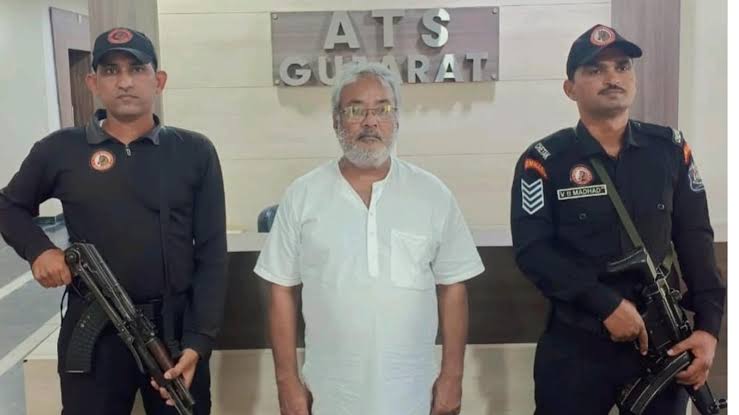
Gujarat ATS Takes Salim Ismail Dola into Custody in ₹438-Crore Vadodara Drug Case
BMC Should Repost Dia Mirza’s Pollution-Free Diwali Video: Deputy Mayor Sanjay Ghadi
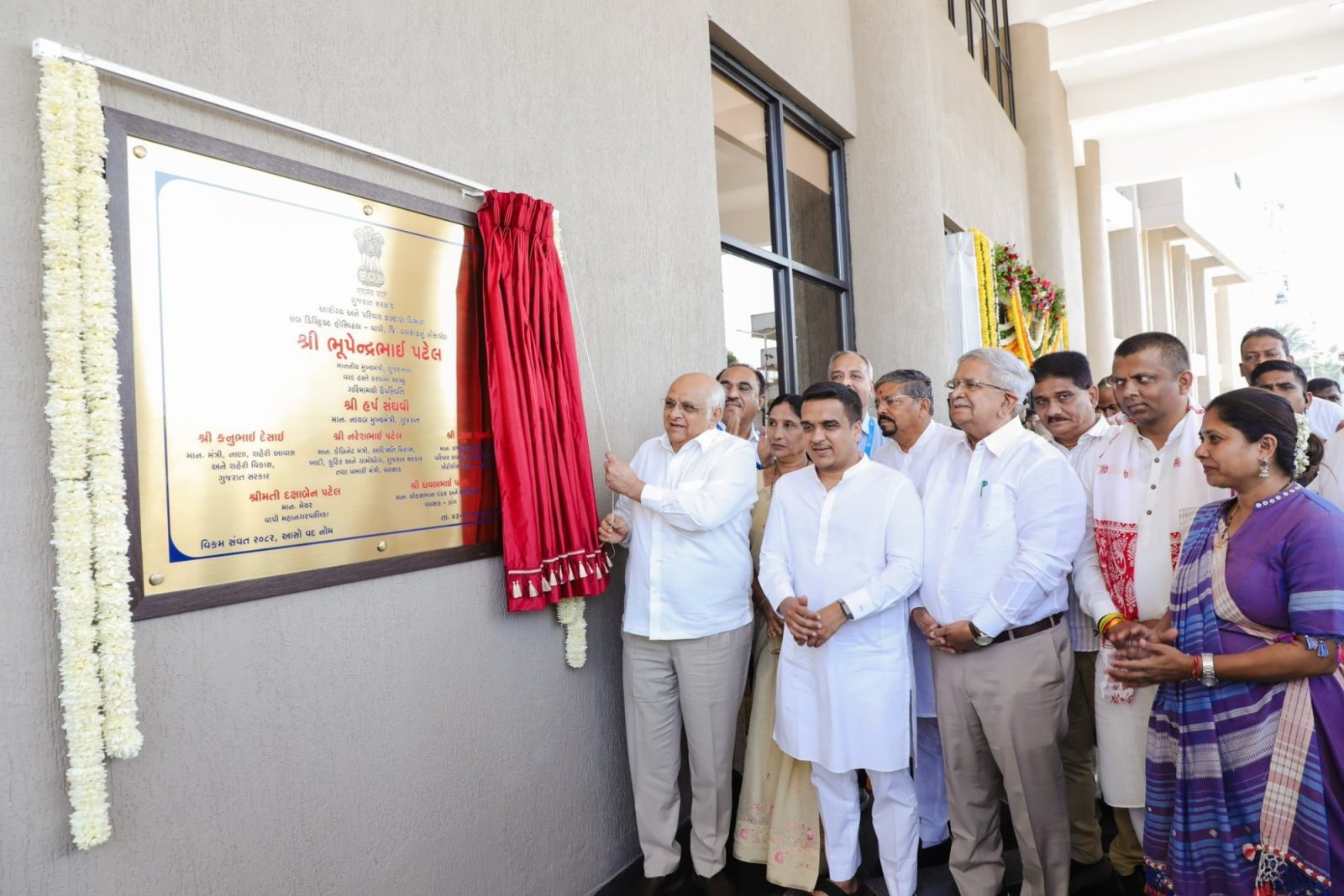
Gujarat CM Bhupendra Patel Inaugurates ₹48.22-Crore Modern Hospital in Vapi
Reader comments (0)
No comments yet. Be the first.