ISRO Successfully Launches NVS-03 Navigation Satellite; India Moves Closer to Restoring Navigation Services
ISRO successfully placed the NVS-03 navigation satellite into orbit using its GSLV-F18 rocket from Sriharikota. The satellite will strengthen India's navigation constellation and support the restoration of positioning, navigation and timing services.

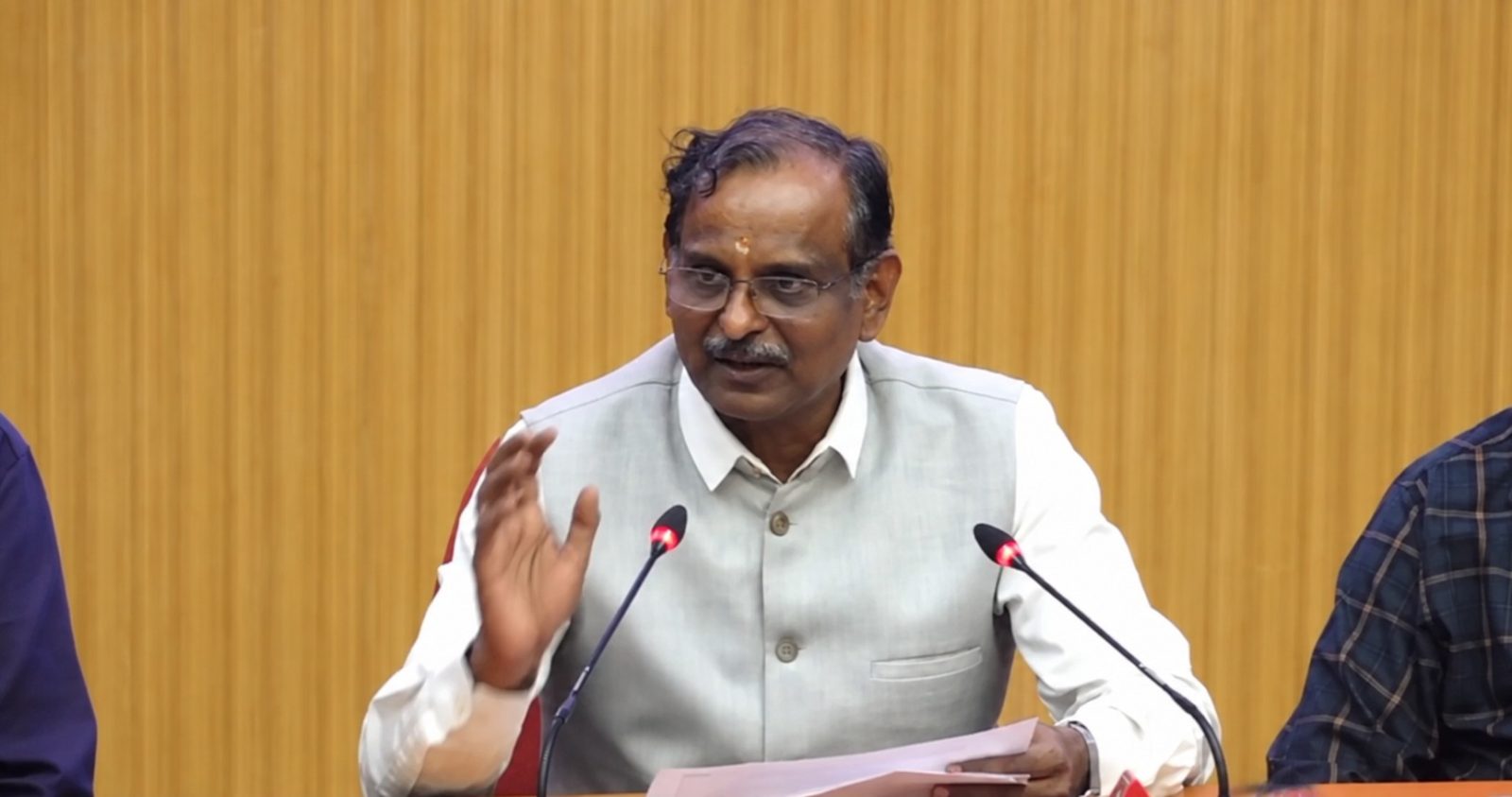
The Indian Space Research Organisation (ISRO) has successfully launched the NVS-03 navigation satellite aboard its GSLV-F18 rocket from the Satish Dhawan Space Centre in Sriharikota. The mission marks another significant step in strengthening India's independent satellite navigation capabilities.
Addressing the media after the launch, ISRO Chairman V. Narayanan confirmed that the GSLV-F18 vehicle had successfully placed the NVS-03 satellite into its designated orbit with a high degree of precision.
Explaining the accuracy of the launch, Narayanan said the rocket achieved a perigee of 170.31 km against the planned 170.36 km. The apogee was recorded at 38,080 km, compared with the targeted 37,247 km.
He described the performance as one of the best levels of accuracy achieved by a launch vehicle and expressed gratitude to the media for its continued support of ISRO's missions.
20th Flight of the GSLV Rocket
The NVS-03 mission marks the 20th launch of India's Geosynchronous Satellite Launch Vehicle (GSLV).
According to Narayanan, the GSLV programme has so far successfully carried approximately 34 tonnes of spacecraft into orbit, demonstrating the growing capabilities of India's launch vehicle technology.
He also highlighted the short turnaround time between two consecutive GSLV missions.
The previous GSLV-F17 mission was conducted just 56 days before the latest launch. According to the ISRO chief, this is the shortest interval between two GSLV launches, reflecting improvements in mission preparation and launch operations.
NVS-03 to Strengthen India's Navigation Constellation
The NVS-03 satellite is part of India's Navigation with Indian Constellation (NavIC) programme, which provides positioning, navigation and timing services.
Before this launch, three navigation satellites were operational in orbit, according to the ISRO chairman. NVS-03 is the fourth satellite joining the constellation.
Narayanan explained that a minimum of four satellites is required to provide the necessary positioning, navigation and timing services. With the addition of NVS-03, ISRO expects to restore these services for the country.
NavIC is India's independent regional satellite navigation system, designed to provide positioning and timing information across India and the surrounding region.
Why Is This Mission Important for India?
Satellite navigation plays an important role in several sectors, including transportation, aviation, maritime operations, disaster management, surveying and telecommunications.
A stronger navigation constellation can improve the availability and reliability of positioning services for government agencies, businesses and ordinary users.
The NVS-03 launch is therefore important not only for India's space programme but also for strengthening the country's technological independence in satellite-based navigation.
ISRO Highlights Growing Launch Capabilities
The successful GSLV-F18 mission highlights ISRO's continued efforts to improve launch vehicle reliability, precision and operational efficiency.
The 56-day turnaround between the F17 and F18 missions is particularly significant because it demonstrates progress in preparing and executing complex satellite launches within shorter timeframes.
With NVS-03 joining the navigation constellation, ISRO is looking to strengthen India's positioning, navigation and timing infrastructure.
The mission represents another step towards improving the country's ability to provide reliable navigation services through its own satellite system.
Report a mistake
Related stories
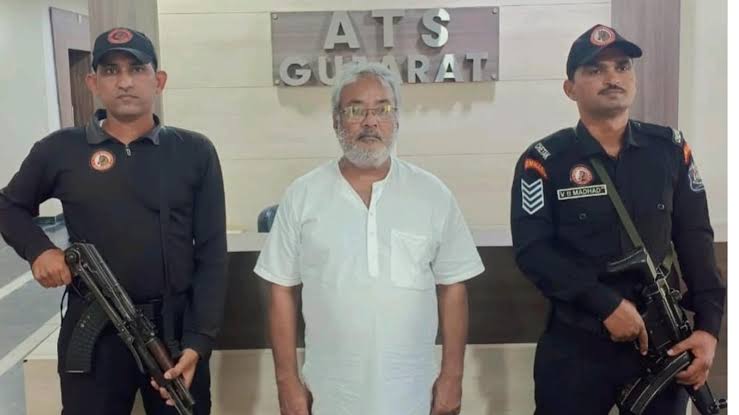
Gujarat ATS Takes Salim Ismail Dola into Custody in ₹438-Crore Vadodara Drug Case

BMC Should Repost Dia Mirza’s Pollution-Free Diwali Video: Deputy Mayor Sanjay Ghadi
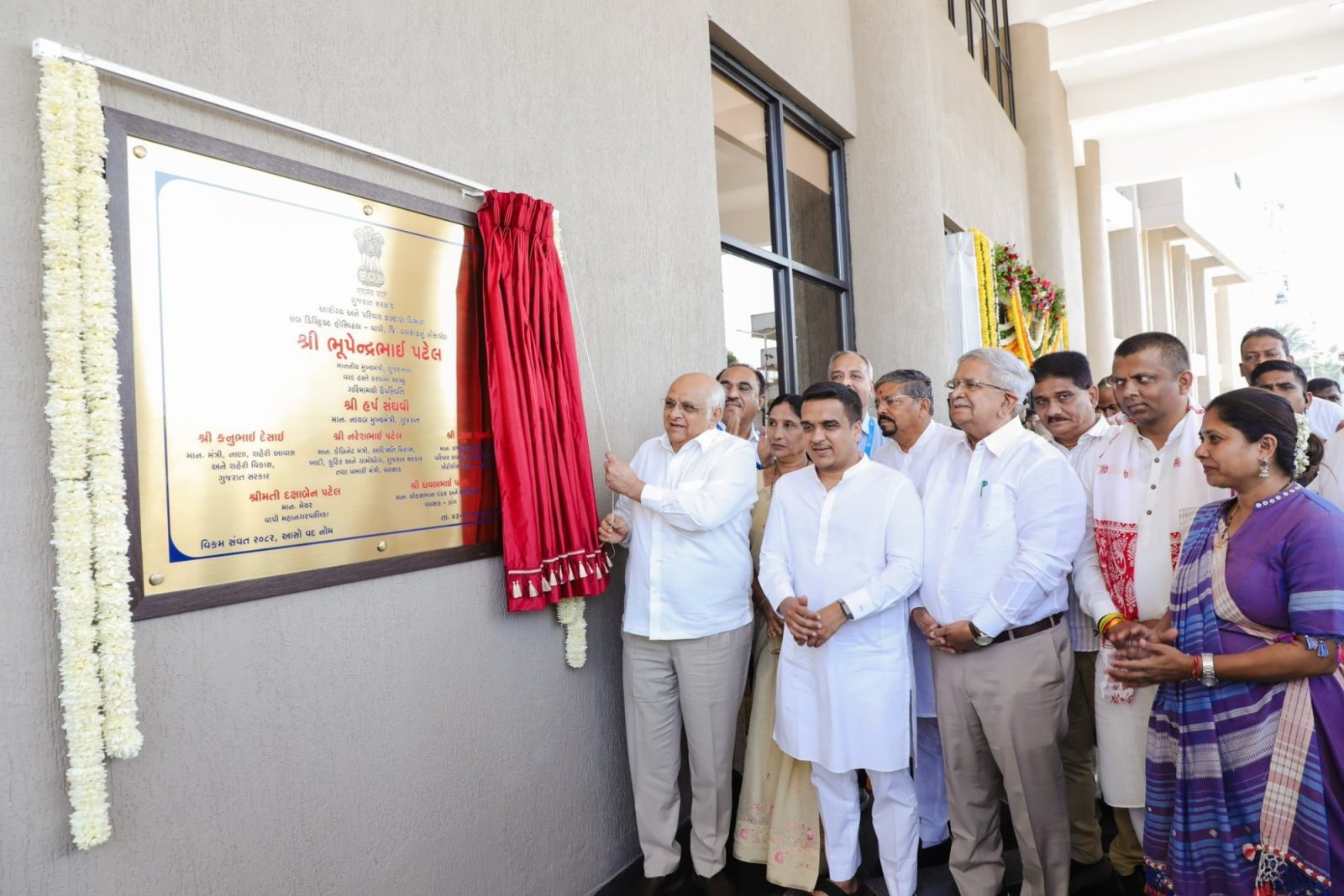
Gujarat CM Bhupendra Patel Inaugurates ₹48.22-Crore Modern Hospital in Vapi

Reader comments (0)
No comments yet. Be the first.