INDIA Bloc’s November 1 Rally: Why Delhi Traders Fear ₹10,000 Crore Loss
The INDIA bloc plans a major protest at Ramlila Maidan against alleged “vote chori”, but Delhi’s traders have urged Rahul Gandhi to postpone it, citing the risk to Diwali-season business.

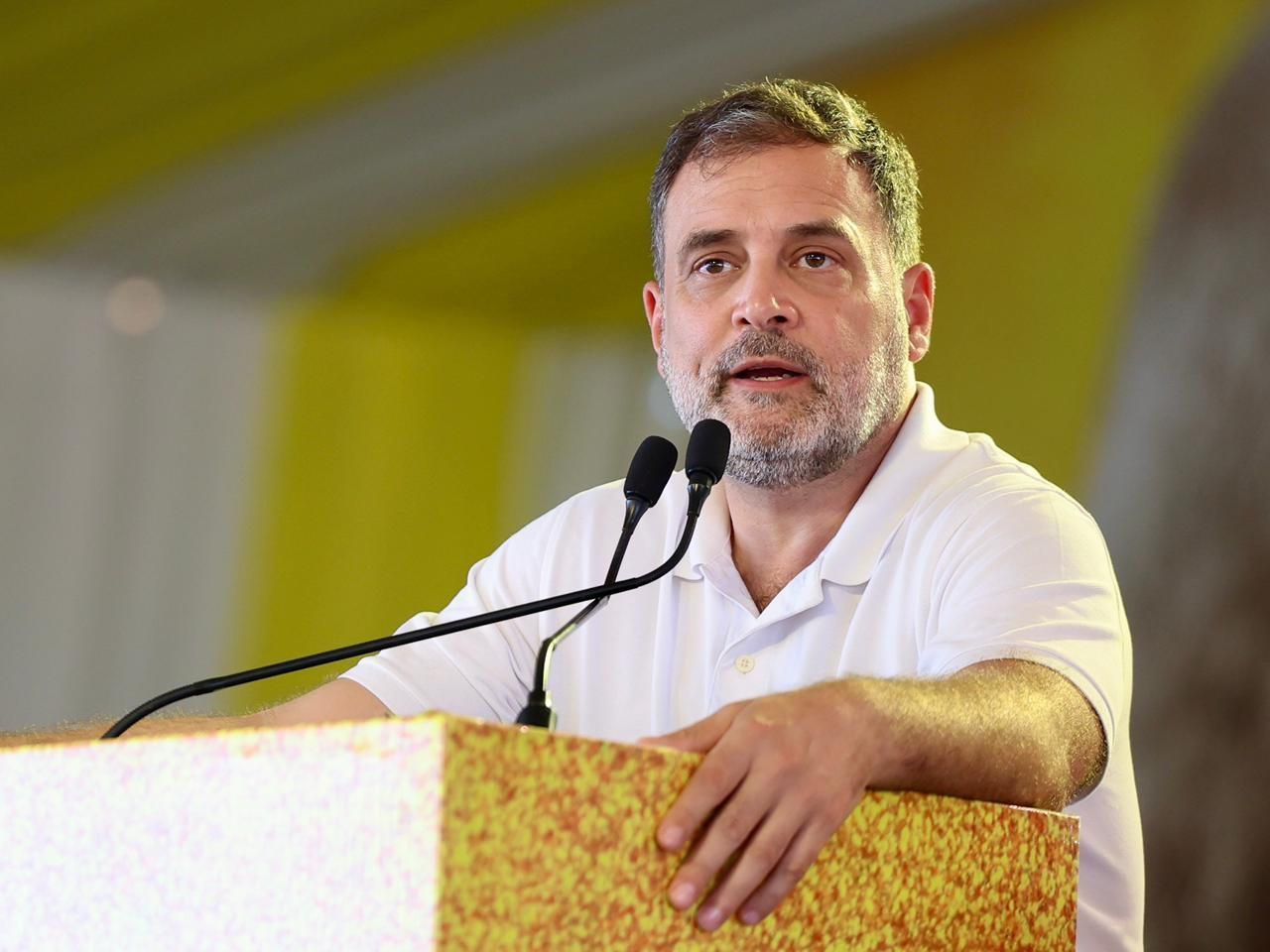
A major political rally planned by the INDIA bloc in Delhi has sparked a debate over two important issues: electoral accountability and the impact of large protests on everyday business.
The opposition alliance plans to hold a mega rally at Ramlila Maidan on November 1, 2026, accusing the Election Commission of India of failing to address concerns over alleged “vote chori”, or vote theft. The bloc has also announced a public event on October 30 to demand the removal of Chief Election Commissioner Gyanesh Kumar.
But the rally has raised concerns among Delhi’s trading community. The Chamber of Trade and Industry (CTI) has written to Congress leader Rahul Gandhi, asking him to postpone the event until after November 10. The organisation says the rally could disrupt business worth up to ₹10,000 crore during the busy Diwali shopping period.
So, what is this political confrontation about, and why are traders asking the opposition to change its plans?
Why is the INDIA bloc planning a rally?
The INDIA bloc, an alliance of opposition parties led by the Congress and including several regional parties, has been campaigning against what it calls “vote chori”.
The phrase refers to allegations that electoral processes have been manipulated or that eligible voters could be unfairly affected by changes to electoral rolls. The opposition has raised concerns about the Election Commission’s handling of electoral roll revision, including the Special Intensive Revision (SIR) process.
The INDIA bloc says it wants the Election Commission to be held accountable and has targeted Chief Election Commissioner Gyanesh Kumar in its campaign.
The alliance has described its October 30 programme as a “public impeachment” proceeding and its November 1 event as a “Dilli Chalo” march culminating at Ramlila Maidan. It has called on leaders and members of INDIA bloc parties to gather in Delhi.
It is important to understand that “vote chori” is the opposition’s political allegation, not a proven finding simply because a rally has been announced. The claims need to be assessed against evidence, official responses and any relevant legal findings.
There is also a legal distinction worth noting: a political “public impeachment” event is not the same as a formal constitutional impeachment or removal proceeding. The public event can express political opposition, but it cannot by itself remove the Chief Election Commissioner from office.
Why are Delhi traders worried about the November 1 rally?
The main concern is timing.
The rally is scheduled just days before Dhanteras, Diwali and Bhai Dooj, when markets across Delhi typically see a sharp rise in shopping and wholesale trade.
Dhanteras falls on November 6 this year, Diwali on November 8 and Bhai Dooj on November 10. Many shoppers begin buying clothes, jewellery, electronics, utensils, gifts and other festive goods well before the festival dates.
According to CTI chairman Brijesh Goyal, Delhi’s festive business around Dhanteras is worth approximately ₹25,000 crore across different sectors. The traders’ body fears that the rally could put up to ₹10,000 crore in trade at risk if crowds, road closures and traffic restrictions make it difficult for customers and goods to reach commercial areas.
These figures are estimates cited by the traders’ body, not independently confirmed losses. The actual financial impact, if any, will depend on the scale of the event and how traffic and access are managed.
Why does the location matter?
Ramlila Maidan is close to several of Delhi’s major wholesale and retail markets. CTI has pointed out that around 20 important markets are located within a five-kilometre radius of the venue.
These include Chandni Chowk, Sadar Bazar, Chawri Bazar, Khari Baoli, Bhagirath Palace, Daryaganj and other busy commercial areas.
Such markets serve not only Delhi residents but also buyers and traders who travel to the capital from other states. Some depend on the movement of large quantities of goods through central Delhi.
If a large rally leads to road closures, diversions, barricades or restrictions on public transport, customers may find it harder to reach shops. Deliveries could also be delayed, and some buyers may decide to shop elsewhere.
For traders, the concern is not simply that a political gathering will take place. It is that the event could coincide with one of the most important sales periods of the year.
CTI has also claimed that previous protests and traffic restrictions in October caused traders losses of around ₹3,000 crore. That figure, too, represents the organisation’s estimate.
What exactly has the traders’ body asked for?
CTI has urged Rahul Gandhi to postpone the rally until after November 10, when the main festive period will have passed.
The organisation has said it respects the right of political parties to organise peaceful demonstrations. Its argument is that a different date could allow the opposition to hold its protest without putting additional pressure on traders during the festive rush.
The request brings up a difficult question: how should a city balance the democratic right to protest with the need to keep businesses, markets and transport services functioning?
For traders, a few days of disruption during the festive season can matter a great deal. For political parties, a large rally may be an important way to draw attention to an issue they believe deserves national debate.
The challenge is to manage both concerns without unnecessarily restricting either peaceful protest or people’s ability to earn a living.
Can the rally be held without disrupting business?
The level of disruption will depend on the arrangements made by the organisers and authorities.
Advance information about traffic diversions, clearly planned routes, access for deliveries and coordination with market associations could help reduce the impact. Authorities may also need to consider the movement of shoppers and people travelling through nearby railway stations.
However, even careful planning cannot guarantee that a very large gathering will have no effect on surrounding areas.
The organisers will need to balance the scale of the demonstration with practical arrangements, while the administration will have to manage security and traffic in a way that respects the right to peaceful assembly.
As of the reports published on October 24, CTI had made its request to postpone the rally. The appeal itself does not establish that the INDIA bloc has agreed to change the date.
What happens next?
The immediate question is whether the INDIA bloc will proceed with the November 1 rally as planned or consider the traders’ request.
Politically, the alliance wants to maintain pressure on the Election Commission over its allegations. Economically, traders want to protect business during a period when many shops depend on festive sales.
Both issues are significant, but they should be judged separately. Allegations about electoral processes require evidence and a proper response. Concerns about business disruption require practical assessment and planning.
The bottom line
The INDIA bloc’s planned rally is part of its wider campaign against alleged vote theft and its demand for accountability from the Election Commission. At the same time, Delhi traders fear that holding a large protest near major markets just before Diwali could affect sales, deliveries and customer movement.
The ₹10,000 crore figure is a warning issued by the traders’ body, not a confirmed prediction of losses. Whether the rally causes serious disruption will depend on the final arrangements and the movement of people around the venue.
The larger question is how Delhi can accommodate political protest while keeping the city’s commercial life running during one of its busiest shopping periods.
Report a mistake
Related stories
Gujarat ATS Takes Salim Ismail Dola into Custody in ₹438-Crore Vadodara Drug Case
BMC Should Repost Dia Mirza’s Pollution-Free Diwali Video: Deputy Mayor Sanjay Ghadi
Gujarat CM Bhupendra Patel Inaugurates ₹48.22-Crore Modern Hospital in Vapi
Reader comments (0)
No comments yet. Be the first.