Election Commission Orders Voter List Revision in 17 States and UTs Ahead of 2027 Elections
he Election Commission has ordered a Special Summary Revision of voter lists in 17 states and Union Territories, giving eligible citizens a chance to register, correct details and check their names ahead of future elections.

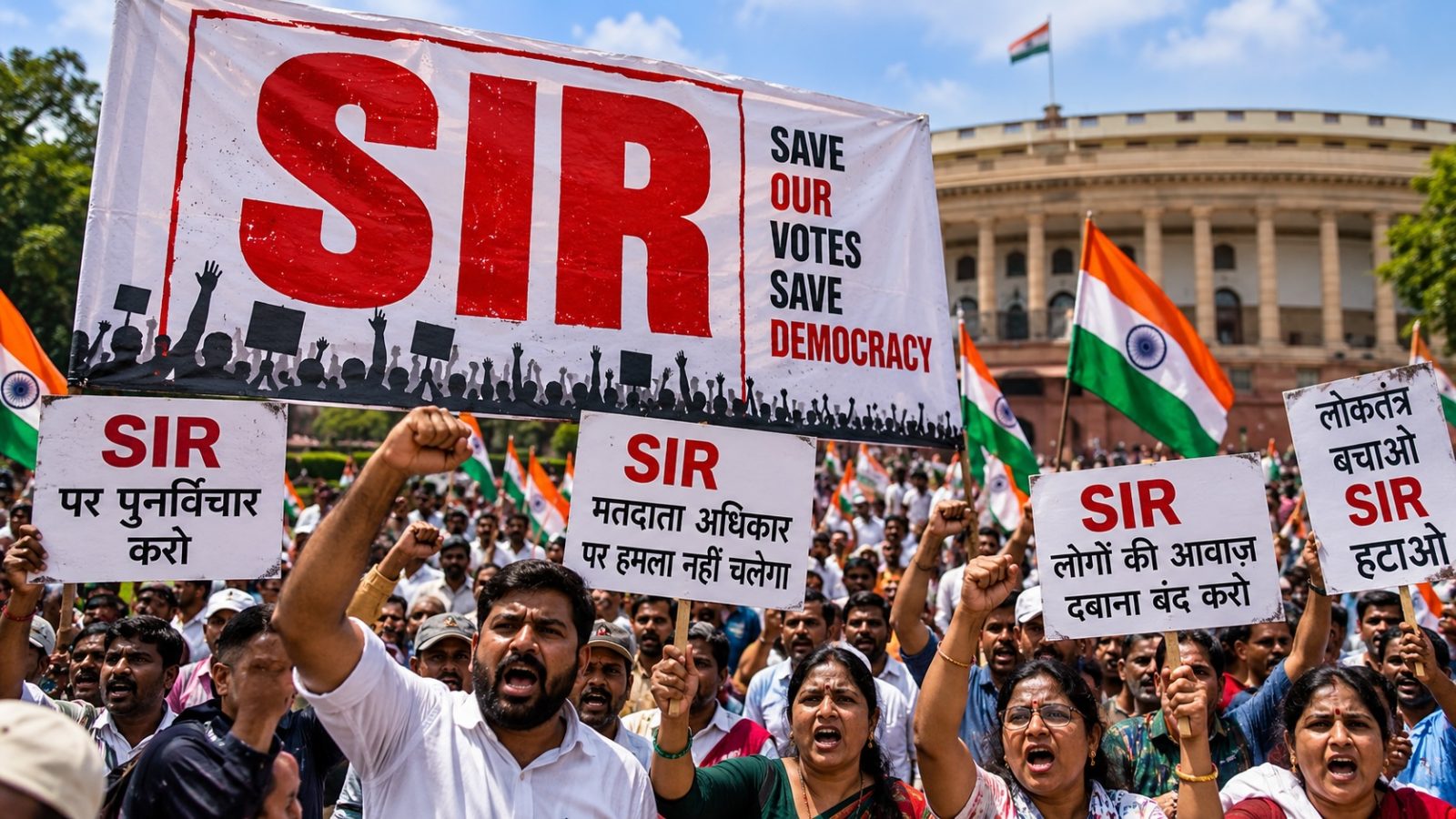
The Election Commission of India (ECI) has directed 14 states and three Union Territories to carry out a Special Summary Revision (SSR) of their electoral rolls, beginning in November 2026. The exercise will use January 1, 2027, as the qualifying date and is intended to update voter lists and help eligible citizens register before the next round of elections.
The states include Uttar Pradesh, Madhya Pradesh, Punjab, Goa and Uttarakhand, which are among the states due to hold Assembly elections in 2027. The announcement comes amid political opposition to the Election Commission’s separate Special Intensive Revision (SIR) exercise, which has become a subject of public debate and legal proceedings.
Which States and Union Territories Are Included?
The 17 states and Union Territories covered by the latest order are: -States: Assam, Bihar, Chhattisgarh, Goa, Gujarat, Kerala, Madhya Pradesh, Manipur, Punjab, Rajasthan, Tamil Nadu, Uttar Pradesh, Uttarakhand and West Bengal. -Union Territories: Andaman and Nicobar Islands, Lakshadweep and Puducherry.
The Election Commission has said that the schedule for areas where SIR is still under way or has only recently been completed will be announced separately. This means the current order does not cover every state and Union Territory at the same time.
What Is Special Summary Revision (SSR)?
Special Summary Revision is a process used to update the existing voter list. It helps ensure that eligible citizens are included and that the information recorded about them is correct.
During the process, voters can take steps to: -Add a name: Eligible citizens who are missing from the voter list can apply for registration. -Correct details: Voters can request corrections to information such as their name, address or other personal details. -- Remove an ineligible entry: A request can be made to remove an entry where the legal conditions for deletion are met, such as a duplicate or deceased voter’s entry.
The Election Commission’s process uses different forms for different requests. Form 6 is generally used for new voter registration, Form 7 for objections or deletion requests, and Form 8 for corrections and certain other changes. Applicants should check the latest instructions for their state before submitting a form.
SSR vs SIR: What Is the Difference? The two processes have different levels of scope and verification.
Special Summary Revision (SSR)
-Updates the existing electoral roll. -Allows eligible citizens to apply for inclusion and correction of details. -Uses the regular claims-and-objections process.
Special Intensive Revision (SIR) -Involves a more intensive verification exercise. -Seeks to verify voter records more extensively under the prescribed process. -May involve additional verification requirements and procedures.
The distinction matters because the two exercises are not interchangeable. SSR is a routine way to keep voter records updated, while SIR involves more detailed verification. The Election Commission has been conducting SIR in several areas, and the process has drawn criticism from opposition parties over concerns about possible exclusion of eligible voters. The Commission has said that the aim is to maintain accurate electoral rolls.
Why Is the Revision Important for Young Voters?
One major purpose of the exercise is to help young citizens become registered voters. The qualifying date of January 1, 2027, is important because eligibility is assessed with reference to that date and the applicable election laws.
Young people who meet the legal requirements should check whether their names are included in the electoral roll and apply if necessary. Having a voter ID card alone is not a substitute for checking that the name appears on the relevant voter list.
The revision also gives existing voters an opportunity to correct mistakes before elections. Incorrect addresses, spelling errors and missing entries can cause problems when a person tries to vote.
What Is the Schedule? According to the published schedule, the draft electoral rolls are due to be published on November 12, 2026. Citizens will then be able to submit claims and objections until December 11, 2026. The final electoral rolls are scheduled for publication on January 4, 2027.
Voters should check the Election Commission’s official website or contact their local electoral registration office for updates, deadlines and state-specific instructions.
Political Debate Continues Over Voter Verification
The SSR announcement comes at a time when the SIR exercise has triggered protests and political disagreements. Opposition parties have raised concerns about the removal of names and the possibility that eligible citizens could be left out of electoral rolls. The Election Commission has defended voter-list verification as necessary to maintain accurate records.
The key issue is ensuring that voter lists are accurate without denying eligible citizens their right to vote. The revision process gives people an opportunity to check their details, raise objections and seek corrections through the prescribed legal procedure.
For voters, the most useful step is straightforward: check your name, verify your details and apply promptly if anything is missing or incorrect.
Report a mistake
Related stories
Gujarat ATS Takes Salim Ismail Dola into Custody in ₹438-Crore Vadodara Drug Case

BMC Should Repost Dia Mirza’s Pollution-Free Diwali Video: Deputy Mayor Sanjay Ghadi
Gujarat CM Bhupendra Patel Inaugurates ₹48.22-Crore Modern Hospital in Vapi

Reader comments (0)
No comments yet. Be the first.