BJP Accuses Rahul Gandhi’s Camp of Seeking ‘Regime Change’ After Prashant Bhushan, Neha Bora Remarks
The BJP has accused Rahul Gandhi and opposition-linked activists of seeking to destabilise the government after Prashant Bhushan called for “regime change” and student leader Neha Bora praised Bangladesh’s Gen Z movement.

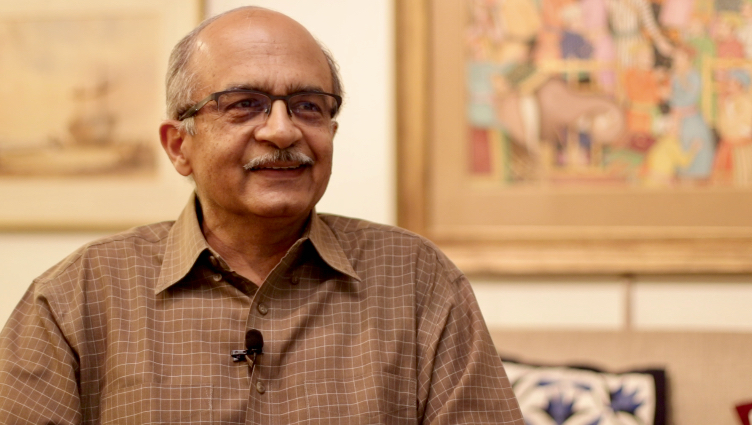
A political dispute has intensified in the national capital after senior advocate Prashant Bhushan spoke about “regime change” during a press conference, while All India Students’ Association (AISA) leader Neha Bora referred to Bangladesh’s youth-led movement as an inspiration. The Bharatiya Janata Party (BJP) has used the remarks to accuse Congress leader Rahul Gandhi and people associated with the opposition of trying to create unrest and remove the government outside the normal democratic process.
The controversy comes amid protests against the Election Commission’s Special Intensive Revision (SIR) of electoral rolls. The protests have involved opposition leaders, student activists and civil society figures who have raised concerns about voter-list changes and demanded accountability from Chief Election Commissioner Gyanesh Kumar.
The BJP, however, says the campaign goes beyond electoral-roll concerns and is aimed at changing the government through street protests. These are the ruling party’s allegations; they do not, by themselves, establish that the opposition is planning an illegal takeover.
What Did Prashant Bhushan Say?
At a joint press conference involving Bhushan, Neha Bora and Cockroach Janata Party (CJP) founder Abhijeet Dipke, Bhushan said the campaign was indeed about “regime change” and questioned why such a goal should be controversial. His remarks quickly became a major point of political debate.
The term regime change generally means replacing a government or changing the political leadership and system of rule. In a democracy, a government can be changed through elections, constitutional procedures and other lawful political processes.
The key question in this controversy is whether the phrase was being used to describe a political objective pursued through democratic means or whether, as the BJP alleges, it suggested an attempt to destabilise an elected government. The statement alone does not prove an unlawful plan.
Why Has Neha Bora’s Bangladesh Remark Become Controversial?
Neha Bora, the national president of AISA, drew attention after a video message she delivered to a student organisation in Bangladesh circulated online. In the message, she said the Gen Z movement seen in India had first started in Bangladesh and congratulated young people there for “showing us the way”.
Bora also referred to democratic and voting rights as central issues in the movement. The BJP interpreted her remarks as support for bringing about a similar political change in India.
Bangladesh witnessed a major student-led uprising in 2024. The protests began over issues linked to government job quotas and grew into a wider movement against Prime Minister Sheikh Hasina’s government. Hasina left office in August 2024 after weeks of demonstrations and deadly violence.
The comparison has become politically sensitive because the Bangladesh movement resulted in the removal of an elected government amid widespread unrest. However, praising or drawing lessons from a foreign protest movement does not, on its own, prove that a person intends to use unlawful methods in India.
BJP Says Rahul Gandhi and Opposition Are Seeking a ‘Coup’
BJP spokesperson Pradeep Bhandari accused Rahul Gandhi and his wider political circle of attempting to create “Bangladesh-like anarchy” in India. He cited Bora’s remarks and her participation in opposition protests as reasons for his allegations.
Bhandari argued that the opposition was using concerns about voter lists as a way to build pressure against the government. He also alleged that Rahul Gandhi’s support for the protest movement showed a shared political objective.
BJP leaders have repeatedly described the remarks as evidence of an effort to bring about a change in government outside the electoral process. However, the claims about a conspiracy or an attempted coup remain political allegations, not established findings.
Sambit Patra Targets Bhushan and Opposition Leaders
BJP MP and spokesperson Sambit Patra also criticised Bhushan’s statement. He argued that India does not belong to any individual or political family and accused the opposition of focusing on taking power rather than addressing the concerns raised by protesters.
Patra said the movement was not merely about the Special Intensive Revision of voter lists and alleged that its ultimate objective was to take control of the government without winning an election. He also attacked activists who referred to Bangladesh’s movement as an inspiration.
The BJP has thus connected two separate remarks — Bhushan’s explicit call for regime change and Bora’s praise for Bangladesh’s youth movement — to argue that the protests have a wider political purpose.
What Is the SIR Controversy About?
The Special Intensive Revision is an Election Commission exercise to verify and update electoral rolls. The process has triggered protests from opposition parties and activists, who have raised concerns about the possible removal of eligible voters’ names and the fairness of the exercise.
The Election Commission’s stated purpose in revising electoral rolls is to maintain accurate voter records. Critics, meanwhile, want greater transparency and safeguards to ensure that eligible citizens are not excluded.
This disagreement is at the centre of the current political confrontation. The BJP says the protests are being used to destabilise the government, while those opposing the revision have presented their campaign as a fight over voting rights and the integrity of the electoral process.
Why the Meaning of ‘Regime Change’ Matters
The phrase “regime change” does not automatically mean a coup. In democratic politics, opposition parties regularly seek to replace a government through elections, public campaigns and peaceful protests.
A coup, by contrast, generally means an unlawful seizure of political power, often by force or by bypassing constitutional procedures. Whether a political campaign crosses that line depends on evidence of actions and intentions, not simply on the use of a phrase.
The latest dispute highlights the sharp divide between the BJP and its critics over the purpose of the anti-SIR protests. As the debate continues, the central questions remain whether voter-list concerns are being addressed transparently, whether protests remain peaceful and lawful, and whether political allegations are supported by verifiable evidence.
Report a mistake
Related stories
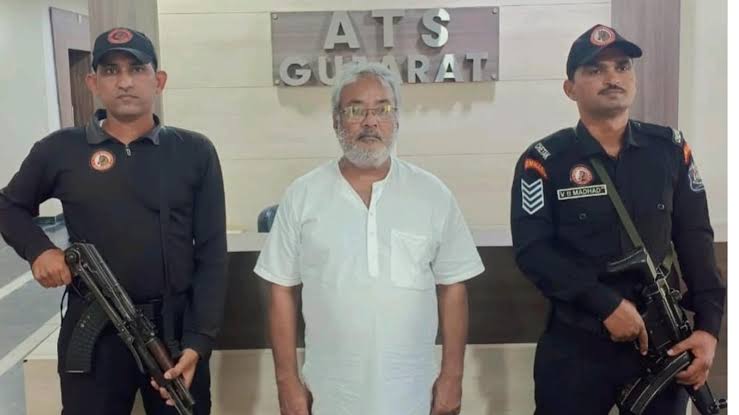
Gujarat ATS Takes Salim Ismail Dola into Custody in ₹438-Crore Vadodara Drug Case
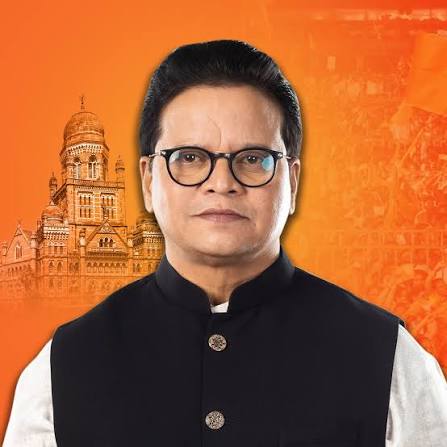
BMC Should Repost Dia Mirza’s Pollution-Free Diwali Video: Deputy Mayor Sanjay Ghadi
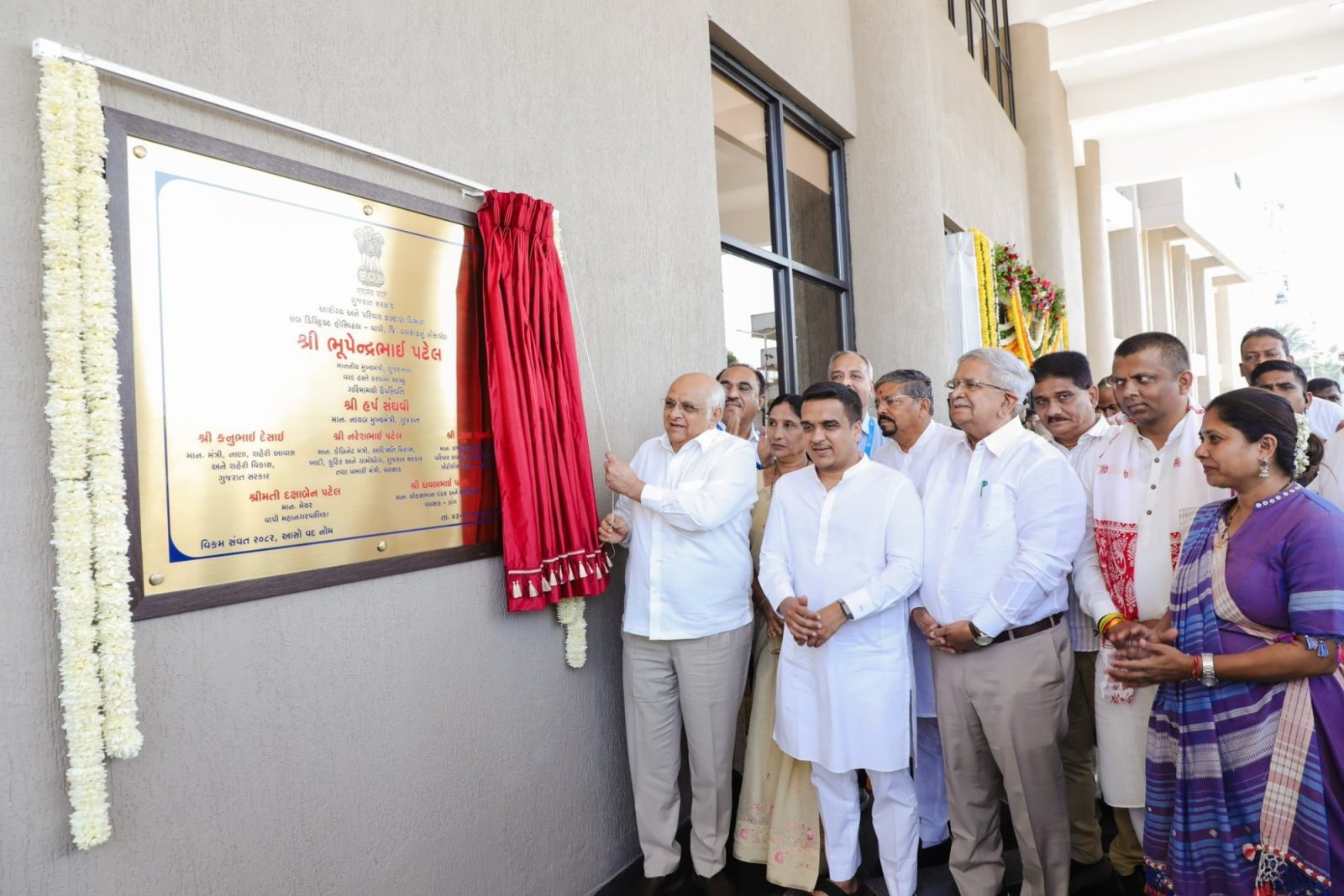
Gujarat CM Bhupendra Patel Inaugurates ₹48.22-Crore Modern Hospital in Vapi
Reader comments (0)
No comments yet. Be the first.